Statewide burn ban issued as drought elevates wildfire risk
PUBLISHED Mar 27, 2026, 6:57 AM ET
Read, Watch or Listen
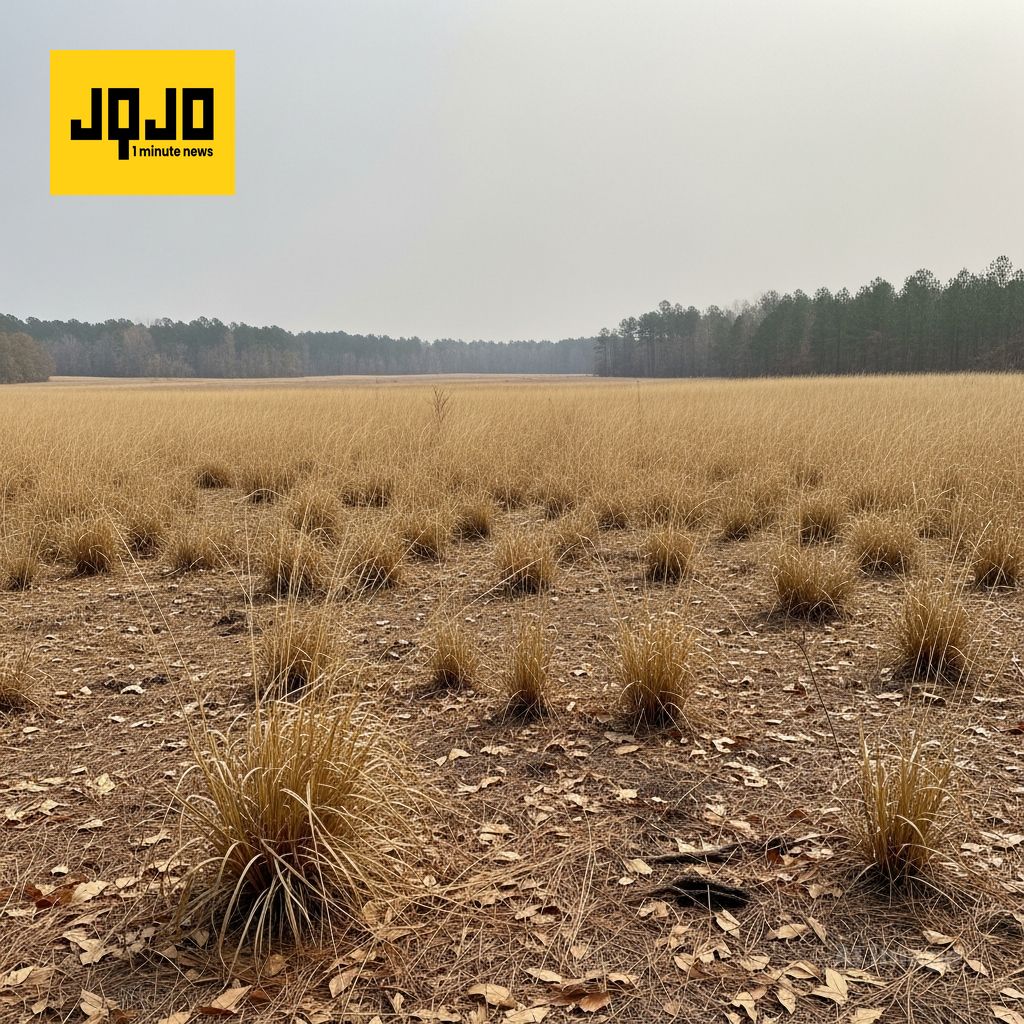
Columbia: The South Carolina Forestry Commission issued a statewide burn ban taking effect Friday at 4 p.m., prohibiting most outdoor burning across all counties after local jurisdictions such as Georgetown and Beaufort had already enacted bans amid a Red Flag fire alert this week. Officials cited drought conditions, dangerously low humidity, dry fuels and gusty winds as drivers; the ban aims to prevent new ignitions, protect homes, and conserve firefighting resources, while county and state agencies continue to monitor conditions and keep restrictions in place until risk decreases.
By Ayesha A. | JQJO News
Timeline of Events
- March 24: South Carolina Forestry Commission issues statewide Red Flag fire alert.
- March 25–26: Georgetown and Beaufort implement partial or full local burn bans.
- March 27 at 4 p.m.: Forestry Commission enacts statewide burn ban for all counties.
- March 28: Buncombe County, NC, issues open burning ban amid extreme fire danger.
- Ongoing: Monitoring continues with U.S. Drought Monitor showing 86% of South Carolina in at least moderate drought.
News Intelligence
- The burn ban impacts your safety and your community. It's crucial to follow the rules to prevent wildfires and protect homes. Check your local county's guidelines and stay updated on the situation.
- Articles Published:
- 11
- Right Leaning:
- 0
- Left Leaning:
- 0
- Neutral:
- 11
- Distribution:
- Left 0%, Center 100%, Right 0%
State and local fire agencies, emergency responders, and at-risk residents benefited by reduced ignition opportunities, decreased immediate wildfire spread potential, and clearer operational guidance during heightened fire conditions.
Landowners, farmers, and recreational users who rely on controlled or permitted outdoor burning for land management, waste removal, or livelihoods faced restrictions and disrupted plans due to the ban.
Coverage of Story:
From Left
No left-leaning sources found for this story.
From Center
Statewide burn ban issued as drought elevates wildfire risk
https://www.live5news.com WCBD 2 - Charleston https://www.wbtv.com FOX Carolina WLOS https://www.wrdw.com FOX Carolina WWAY TV https://www.wbtv.com WLOS WCBD 2 - CharlestonFrom Right
No right-leaning sources found for this story.






Comments