U.S. Eases Venezuela Oil Sanctions Amid Iran Conflict
Tap title to read story
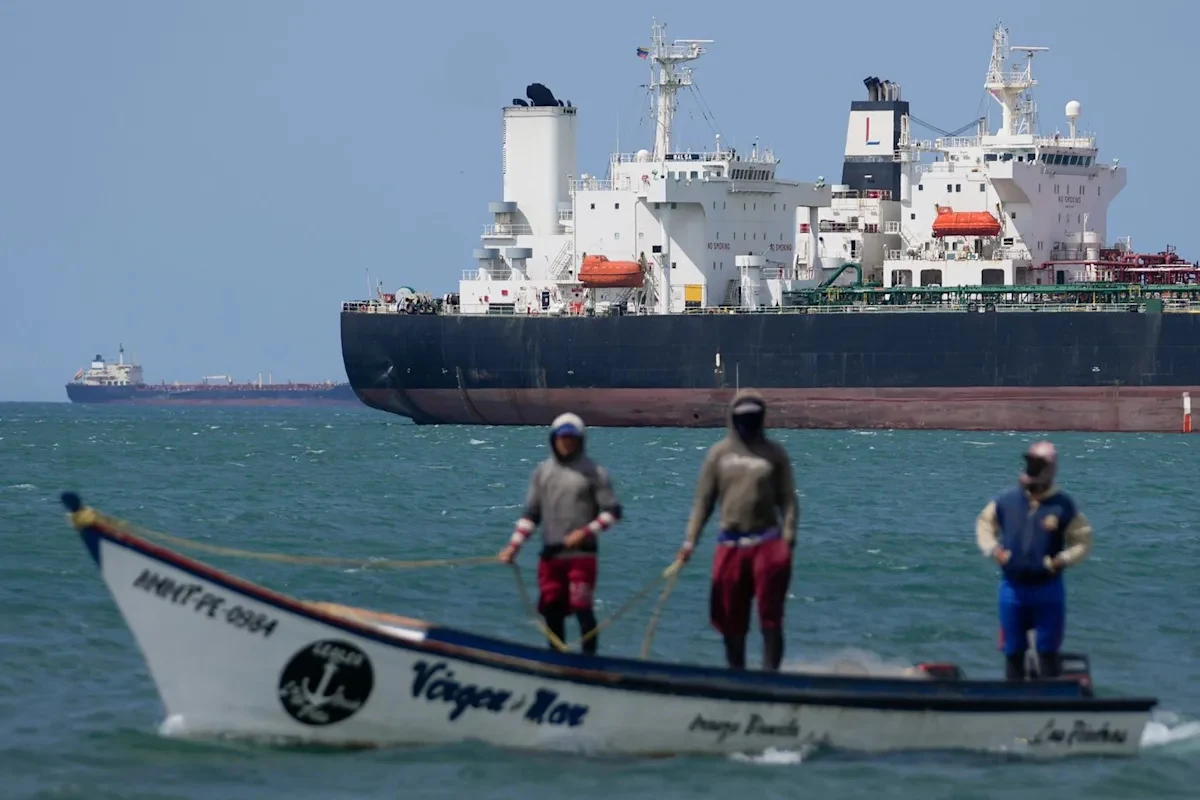
Washington. On Wednesday the Treasury Department issued a broad authorization allowing Petróleos de Venezuela S.A. (PDVSA) to sell oil directly to U.S. companies and on global markets, reversing years of restrictions. The White House announced a 60-day waiver of Jones Act shipping rules for domestic shipments. Officials framed the actions as measures to increase global supply amid oil-price spikes after Iran restricted traffic through the Strait of Hormuz. The licenses maintain some sanctions limits while enabling investment in Venezuela's energy sector and potential increases in crude exports. These steps target near-term market relief. Based on 6 articles reviewed and research.
More context
Timeline
- 1. 2019: U.S. imposes broad sanctions on Venezuela's state oil company PDVSA.
- 2. Late January: Venezuela enacts law reforms intended to encourage energy investment (reported).
- 3. March 18: U.S. Treasury issues a general license allowing PDVSA to sell to U.S. companies and on global markets.
- 4. March 18: White House announces 60-day waiver of Jones Act domestic shipping requirements.
- 5. After March 18: Reports note market reactions and expectations of increased supply amid Iran-related disruptions.
Why it matters
The easing of oil sanctions on Venezuela could affect your wallet. If the move increases global oil supply, it might lower gas prices at the pump. Keep an eye on your local gas station's prices in the coming weeks.
Sources
JQJO Editorial Desk · Human reviewed · AI assisted. Report a correction.