Trump Presses Allies to Reopen Strategic Hormuz Strait
PUBLISHED Mar 16, 2026, 1:04 AM ET
Read, Watch or Listen
Washington. President Donald Trump said he may delay a planned late‑March summit in Beijing as he pressed China and other allies to help reopen the Strait of Hormuz after Iran's actions disrupted tanker traffic and lifted global oil prices. In interviews and public remarks this week, Trump publicly urged European and Asian states to join a coalition to protect shipping lanes and warned of consequences for NATO if allies do not act. Japan and Australia said they would not send naval escorts, and a Treasury official attributed any scheduling change to logistics. Based on 6 articles reviewed and supporting research.
By Najma A. | JQJO News
Aggregated From:
Timeline of Events
- Early March 2026: U.S.-Israeli military actions and Iranian threats escalate in the region.
- March 15, 2026: President Trump interviews with the Financial Times urging allies to help reopen the Strait of Hormuz.
- March 15–16, 2026: Japan and Australia publicly state they will not send naval escorts to the Gulf.
- March 16, 2026: Treasury Secretary Scott Bessent says any summit rescheduling would be logistical.
- March 16, 2026: Energy markets react with higher crude prices and increased geopolitical concern.
News Intelligence
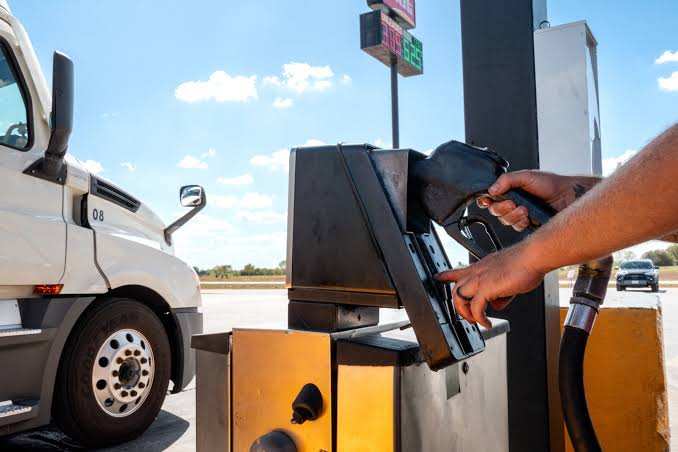
- The Strait of Hormuz issue affects your wallet. It's a key oil route. When it's disrupted, global oil prices rise. That can mean higher gas prices here at home. Keep an eye on your local gas prices.
Coverage of Story:
From Left
No left-leaning sources found for this story.
From Center
Trump Presses Allies to Reopen Strategic Hormuz Strait
KTAR News Winnipeg Free Press Bangladesh Sangbad Sangstha (BSS) Dawn The Straits Times thesun.my PBS.org Yonhap News AgencyFrom Right
Trump suggests he may delay China trip, but Bessent says it's not to pressure on Strait of Hormuz
The Orange County Register


Comments