Trump rejects Iran deal as strikes and counterattacks continue
PUBLISHED Mar 14, 2026, 1:37 AM ET
Read, Watch or Listen
Washington, President Donald Trump said on March 13 that Iran had been 'totally defeated' by US and Israeli military operations but was seeking a deal he would not accept. He cited strikes on Kharg Island and pledged naval escorts through the Strait of Hormuz as Tehran launched drone and missile attacks and pro-government rallies rejected talks. Trump told NBC he would not accept terms until Iran abandoned nuclear ambitions, while officials warned of tanker disruptions and rising oil tensions this week, raising energy and shipping concerns. Based on 6 articles reviewed and supporting research.
By Najma A. | JQJO News
Timeline of Events
- US and Israeli forces conduct strikes targeting Iranian infrastructure, including Kharg Island.
- Iran responds with drone and missile attacks against Israel and Gulf neighbours.
- Pro-government rallies in Tehran publicly denounce the US and Israel and reject negotiations.
- President Trump states he will not accept a deal unless Iran abandons nuclear aims.
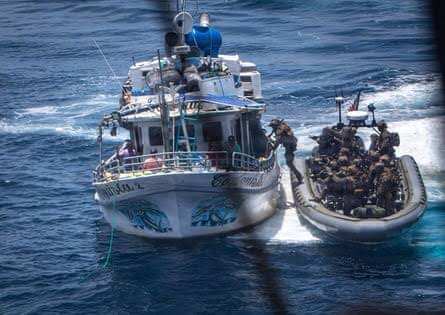
- Allies discuss naval escorts through the Strait of Hormuz to protect commercial shipping.
News Intelligence
- This situation could affect your wallet. Rising tensions in the Middle East often lead to higher oil prices. If this escalates, you might see a spike at the gas pump and in your home heating costs. Keep an eye on your energy bills.
Coverage of Story:
From Left
'No Deal Yet': Trump says Iran wants negotiations but conditions are 'Not Good Enough'
Daily Pakistan GlobalFrom Center
Trump rejects Iran deal as strikes and counterattacks continue
Free Malaysia Today The Straits Times Deccan Chronicle The Frontier Post Free Malaysia Today News18



Comments