U.S.-Iran Confrontation Disrupts Strait of Hormuz Shipping
PUBLISHED Mar 10, 2026, 5:49 AM ET
Read, Watch or Listen
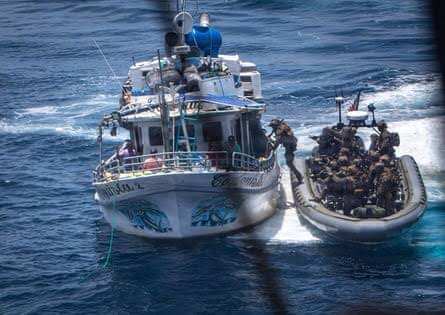
Washington, U.S. forces and Iranian-aligned units engaged in escalating operations in and around the Strait of Hormuz this week, following widespread strikes on Feb. 28 and subsequent confrontations. On March 10, U.S. Central Command reported strikes on 16 Iranian minelaying vessels, while President Trump warned Iran against blocking oil shipments under Operation Epic Fury. Intelligence assessed potential Iranian mine deployments and attacks damaged commercial shipping near the UAE. The Pentagon reported at least 140 U.S. service members wounded by March 11 amid broader regional clashes. Diplomatic channels remain engaged to de-escalate tensions. Based on 6 articles reviewed and supporting research.
By Najma A. | JQJO News
Timeline of Events
- Feb. 28 — Reports of large-scale U.S. and Israeli strikes on Iranian targets.
- March 10 — President Trump issues public warning under Operation Epic Fury.
- March 10 — U.S. Central Command reports strikes on 16 Iranian minelaying vessels.
- March 10 — Reuters reports a ship off the UAE damaged by an unknown shell.
- March 11 — Pentagon reports at least 140 U.S. service members wounded.
News Intelligence
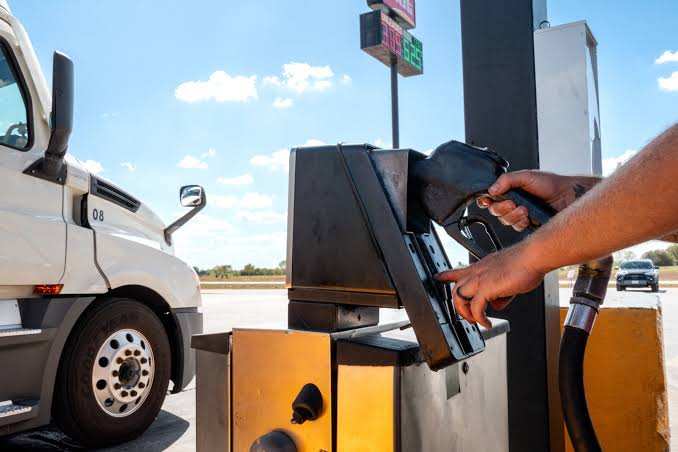
- This U.S.-Iran standoff could affect gas prices. When tensions rise in the Middle East, oil shipments can get disrupted. That can lead to higher prices at the pump. Keep an eye on your local gas prices.
Coverage of Story:
From Left
U.S. strikes Iran's mine-laying ships near Strait of Hormuz: central command
english.news.cnFrom Center
U.S.-Iran Confrontation Disrupts Strait of Hormuz Shipping
News18 Asian News International (ANI) Asian News International (ANI) Asian News International (ANI) Economic Times RadioFreeEurope/RadioLiberty CBN.com - The Christian Broadcasting Network




Comments