Iran Appoints Mojtaba Khamenei Amid Escalating Regional Tensions
Tap title to read story
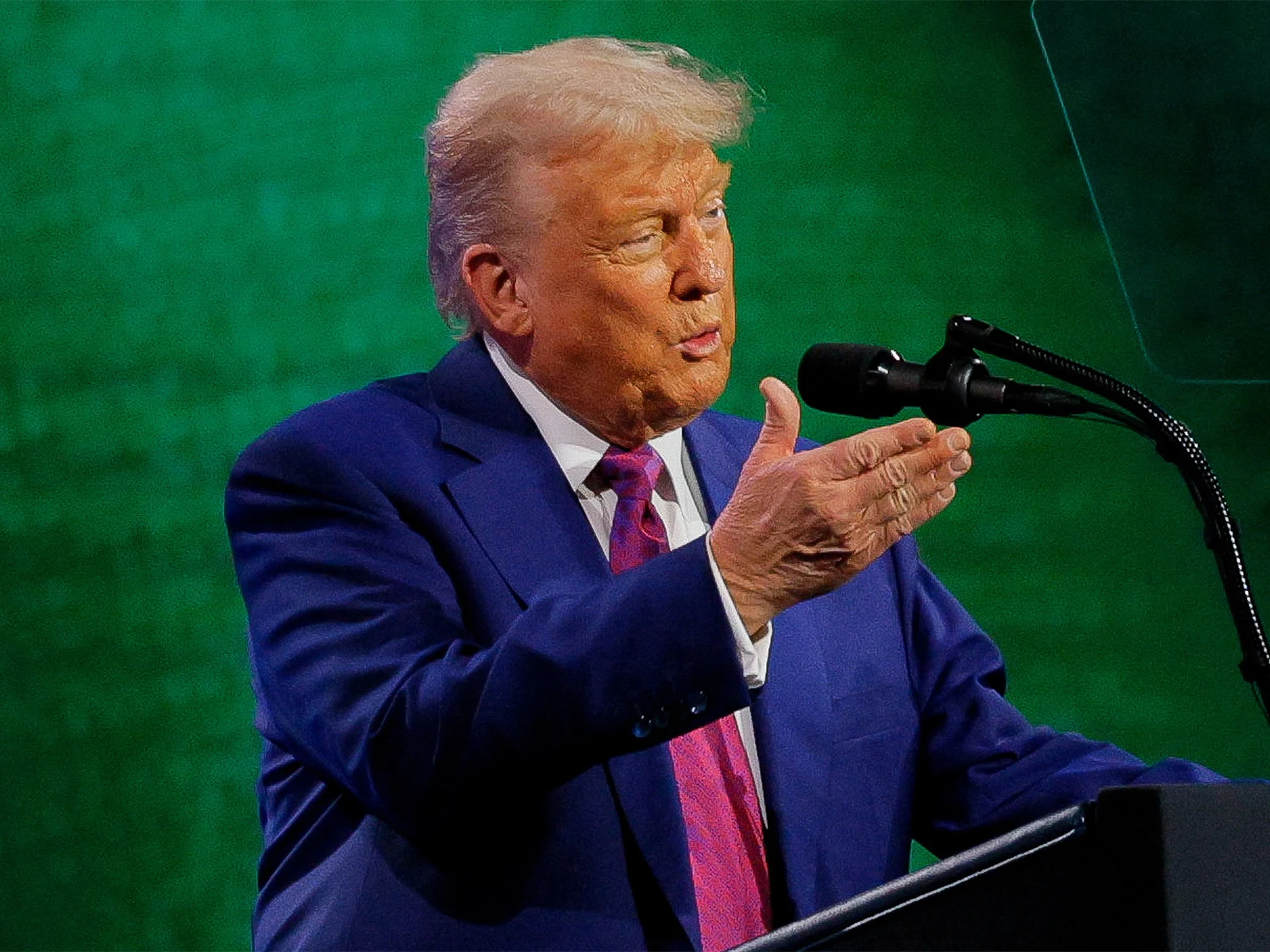
Washington — Iran's Assembly of Experts appointed Mojtaba Khamenei as the country's third supreme leader on March 9, following a joint U.S.-Israeli strike on Feb. 28 that killed former leader Ali Khamenei. Iran's state media announced the Assembly's decisive vote, and the Islamic Revolutionary Guard Corps pledged allegiance. U.S. President Donald Trump commented this week, saying "We'll see what happens," telling outlets he was "not happy" and asserting any new Iranian leader would need U.S. approval to remain in power. The selection has raised regional tensions and prompted widespread international scrutiny and reactions. Based on 6 articles reviewed and supporting research.
More context
Timeline
- 1. Feb. 28 – Joint U.S.-Israeli strikes reportedly killed Supreme Leader Ali Khamenei and senior commanders.
- 2. Prior to March 9 – Observers widely speculated Mojtaba Khamenei as the likely successor.
- 3. March 9 – Iran's Assembly of Experts formally appointed Mojtaba Khamenei as supreme leader.
- 4. March 9 – The IRGC publicly pledged allegiance to the newly appointed supreme leader.
- 5. March 9 – U.S. President Donald Trump publicly commented, questioning the appointment and asserting U.S. approval would be necessary.
Why it matters
This shift in Iran's leadership can affect global politics, including U.S. foreign policy. It could influence oil prices, impacting your wallet at the gas pump. Keep an eye on news about Iran-U.S. relations and oil market updates.
Sources
JQJO Editorial Desk · Human reviewed · AI assisted. Report a correction.