Trump Signals Force if Iran Nuclear Talks Collapse
PUBLISHED Feb 25, 2026, 3:28 AM ET
Read, Watch or Listen
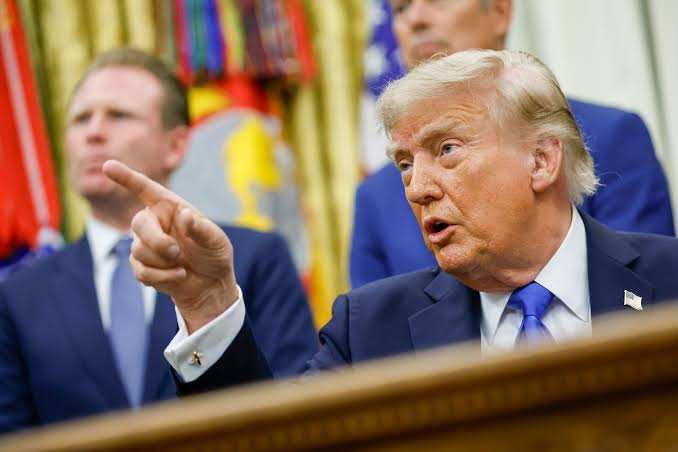
Washington, President Donald Trump told Congress in his State of the Union address this week that he prefers to resolve the confrontation with Iran through diplomacy but will not allow Tehran to obtain a nuclear weapon, and he reiterated threats of military action if talks fail. He cited Iranian support for militant groups, alleged killings of protesters, and resumed nuclear and missile activity while the administration has increased U.S. forces in the Middle East. Negotiations in Muscat and a second round in Geneva are ongoing, and Trump separately announced higher temporary tariffs. Based on 7 articles reviewed and supporting research.
By Michael Grant | JQJO News
Timeline of Events
- June 2025: U.S. operation 'Midnight Hammer' targeted Iranian assets, cited later in coverage.
- 6th February 2026: First reported round of Iran–U.S. nuclear negotiations in Muscat.
- Mid-February 2026: Second round of negotiations held in Geneva, according to reporting.
- Mid–late February 2026: Reports describe a significant U.S. military buildup in the Middle East.
- 24–25 February 2026: President Trump delivered the State of the Union, stressing diplomacy but warning of possible military action if talks fail.
News Intelligence
- The Iran-U.S. nuclear talks affect your safety. If diplomacy fails, military action could escalate tensions in the Middle East. This could impact global stability and possibly oil prices. Stay informed by following the negotiations.
- Articles Published:
- 11
- Right Leaning:
- 0
- Left Leaning:
- 0
- Neutral:
- 11
- Distribution:
- Left 0%, Center 100%, Right 0%
Short-term beneficiaries include defense contractors and allied governments that may gain from increased U.S. military presence and procurement, while domestic political supporters of a firm Iran policy may receive consolidated backing among hawkish constituencies.
Iranian civilians and regional populations risk harm from escalation, U.S. service members face increased deployment exposure, and diplomatic channels and trade ties could suffer disruption if tensions deepen.
Coverage of Story:
From Left
No left-leaning sources found for this story.
From Center
Trump Signals Force if Iran Nuclear Talks Collapse
KAYHAN LIFE Qatar News Agency News Directory 3 Oman Observer RadioFreeEurope/RadioLiberty Free Malaysia Today Chronicle.lu Saudi Gazette The Daily Signal News Directory 3 News Directory 3From Right
No right-leaning sources found for this story.


Comments