Washington: Officials Defend U.S. Boat Strike Campaign, Again
PUBLISHED Dec 16, 2025, 7:47 AM ET
Read, Watch or Listen
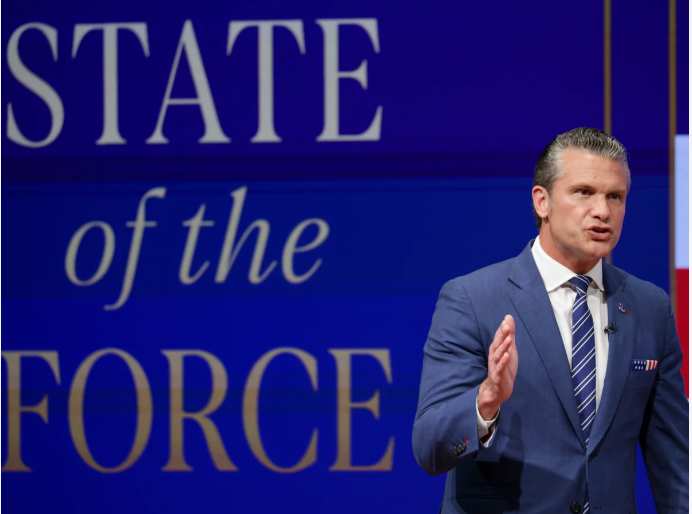
Washington — Defense Secretary Pete Hegseth and Secretary of State Marco Rubio briefed Congress Tuesday as lawmakers probed a U.S. maritime strike campaign officials call counter-narcotics operations. The Pentagon said it will not release the full unedited Sept. 2 video showing a follow-up attack that killed two survivors; members of the House and Senate Armed Services committees were allowed to review it. Lawmakers sought explanations as the campaign expanded to more than two dozen strikes across the Caribbean and eastern Pacific, with varying casualty totals and a three-boat strike killing eight people. Based on 11 articles reviewed and supporting research.
By Najma A. | JQJO News
Timeline of Events
- Sept. 2: U.S. forces conducted a strike on an alleged drug boat; a follow-up attack killed two survivors.
- Subsequent months: U.S. military carried out a campaign of more than 20 strikes in Caribbean and eastern Pacific waters.
- Mid-December: U.S. Southern Command reported striking three vessels in the eastern Pacific, killing eight people.
- Dec. 16: Defense Secretary Pete Hegseth and Secretary of State Marco Rubio briefed House and Senate members and declined public release of full unedited video.
- Armed Services committee members were allowed to review the classified footage while broader congressional demands and investigations intensified.
Coverage of Story:
From Left
Full, unedited video of Sept. 2 follow-up boat strike will not go to public: Hegseth
english.news.cnFrom Center
Washington: Officials Defend U.S. Boat Strike Campaign, Again
Yakima Herald-Republic The Star WLUK GV Wire 2 News Nevada WPDE The Philadelphia Inquirer Spectrum News Bay News 9 TribLIVE The Dallas Morning NewsFrom Right
No right-leaning sources found for this story.


Comments