Senators Push To Remove NDAA Section After Crash
PUBLISHED Dec 15, 2025, 4:48 PM ET
Read, Watch or Listen
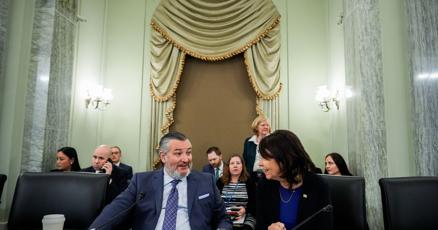
Washington Senators Ted Cruz and Maria Cantwell urged Congress Monday to remove Section 373 from the Fiscal Year 2026 National Defense Authorization Act, saying it would allow military helicopters to operate near commercial traffic without broadcasting precise locations after the January 29 midair collision that killed 67. They filed bipartisan amendments proposing the ROTOR Act and held a joint press conference with victims’ families. Senate Majority Leader John Thune said he hoped to hold a vote this week to consider adding the ROTOR Act to a funding package before government funding lapses. Based on 6 articles reviewed and supporting research.
By Najma A. | JQJO News
Timeline of Events
- January 29, 2025: Midair collision near Reagan National Airport killed 67.
- Summer 2025: Senators Cruz and Cantwell originally introduced the ROTOR Act.
- Last week: Bipartisan amendments were filed to strike Section 373 from the FY2026 NDAA.
- This week: Cruz and Cantwell held a press conference with victims’ families urging removal of Section 373.
- This week: Cruz warned he may hold up government funding at the end of January if reforms are not passed.
Coverage of Story:
From Left
No left-leaning sources found for this story.
From Center
Senators Push To Remove NDAA Section After Crash
2 News Nevada WTOP The News-Gazette TribLIVE ArcaMax U.S. Senate Committee On Commerce, Science, & Transportation WJLAFrom Right
Senators push to tighten airspace rules near Reagan National after deadly crash
FOX 5 DC U.S. Senate Committee On Commerce, Science, & Transportation





Comments