Daylight Saving Time Linked to Health Risks
Tap title to read story
0:00 / 0:46
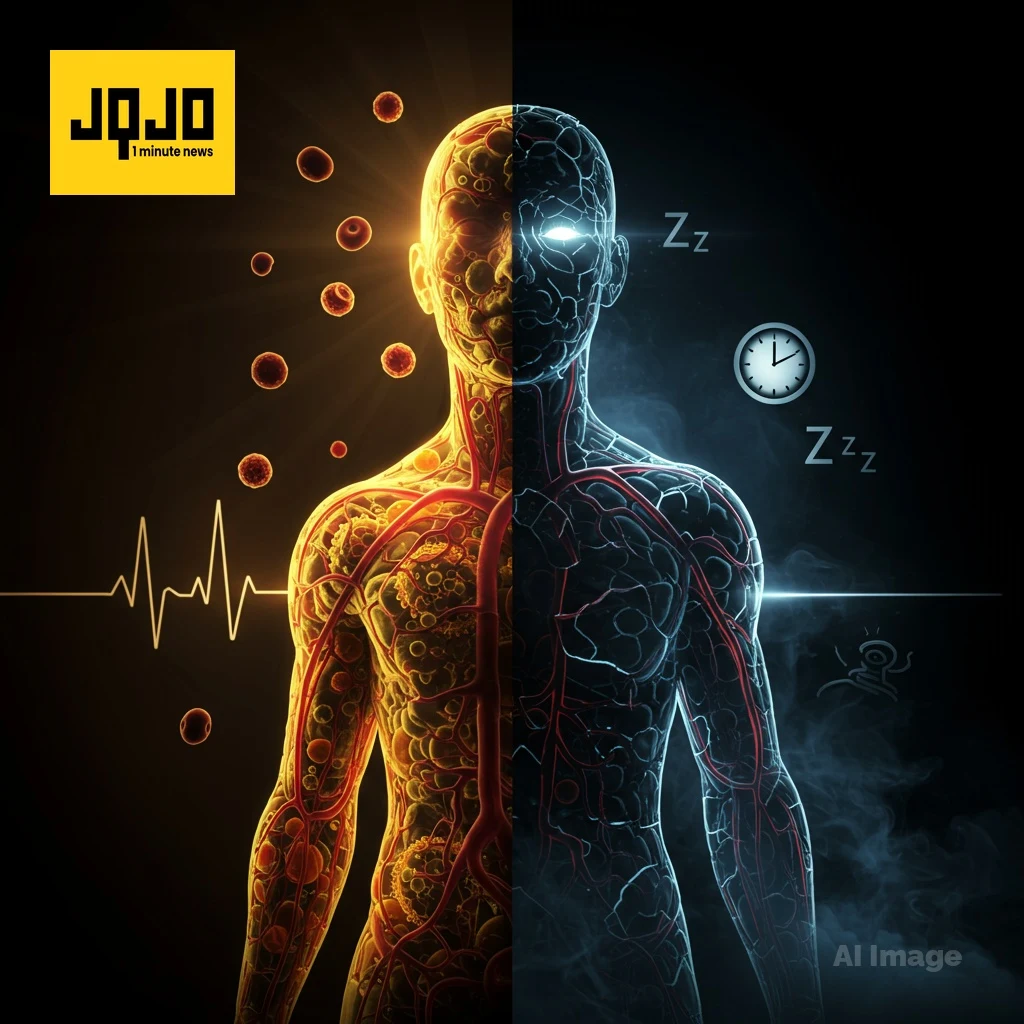
Research increasingly links daylight saving clock changes—especially the spring shift—to health harms: modest rises in heart attacks, strokes, fatal car crashes and worsened mood disorders, driven by circadian disruption and lost sleep. Autumn’s extra hour brings only brief catch‑up rest and has been tied to higher depression, with limited benefits that don’t offset spring’s damage; one study estimates a per‑capita annual cost of about €750. Scientists note even a one‑hour misalignment can scale across populations. The European Parliament voted to end DST in 2019, but implementation has stalled amid disagreement over which time to keep.
Sources
JQJO Editorial Desk · Human reviewed · AI assisted. Report a correction.