यह समाचार हिंदी में उपलब्ध नहीं है।
SCIENCE
A scientist wanted to create a mirror cell. Then she realized the dangers
▪
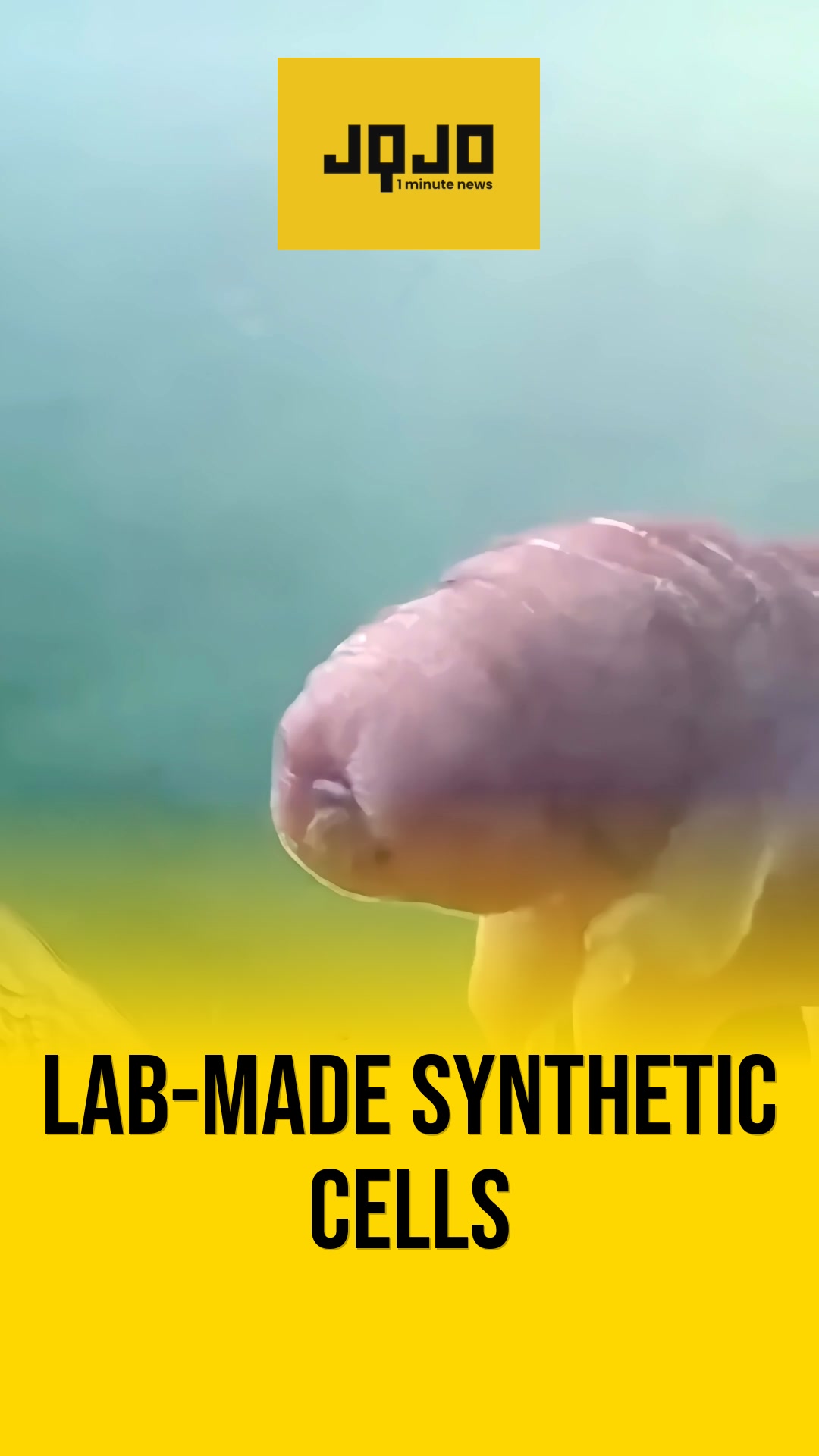
After receiving a $4 million NSF grant in 2019 to explore "mirror cells," University of Minnesota synthetic biologist Kate Adamala came to fear the work’s implications. A 38-member group’s 300-page analysis, summarized in Science in December 2024, warned that mirror-organism bacteria could arrive within 10–30 years and evade immune defenses and antibiotics, with potentially devastating spread. Meetings now seek red lines: many oppose creating living mirror cells, while others urge caution not to hinder beneficial mirror molecules. Adamala halted her project; nearly 100 stakeholders in February 2025 urged against creating mirror life absent compelling safety evidence.
Prepared by Olivia Bennett and reviewed by editorial team.



Comments