
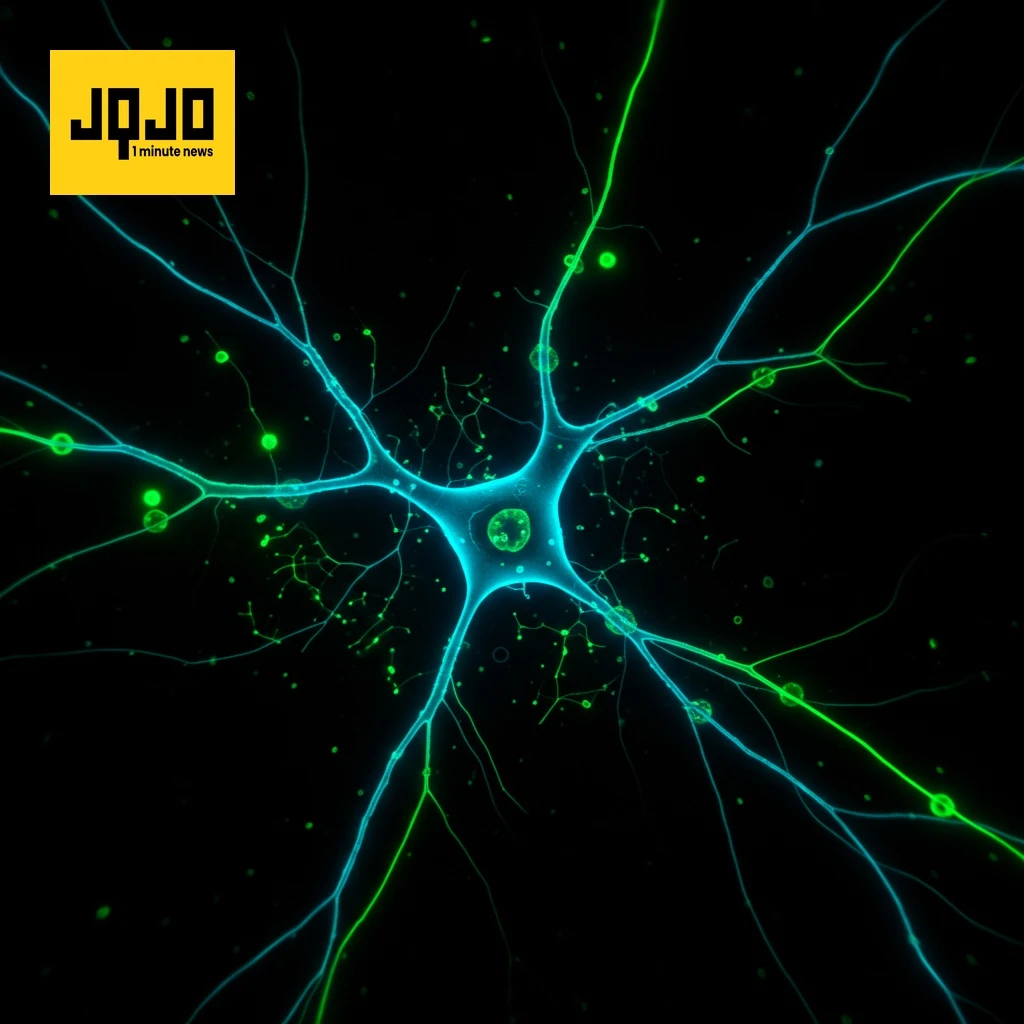
Neurons Create Visual Illusions in Brain
Tap title to read story
0:00 / 0:36
A new study in Nature Neuroscience has identified specific neurons in the visual cortex, dubbed IC-encoders, that play a direct role in creating our perception of visual illusions. Researchers used advanced imaging and optogenetics to show these neurons can generate the brain's representation of illusory edges, even without physical visual input. While behavioral tests in mice are yet to come, this breakthrough offers crucial insights into how the brain constructs what we see by actively filling in missing information.
More context
Sources
JQJO Editorial Desk · Human reviewed · AI assisted. Report a correction.