Monster Black Hole Defies Growth Limits
Tap title to read story
0:00 / 0:45
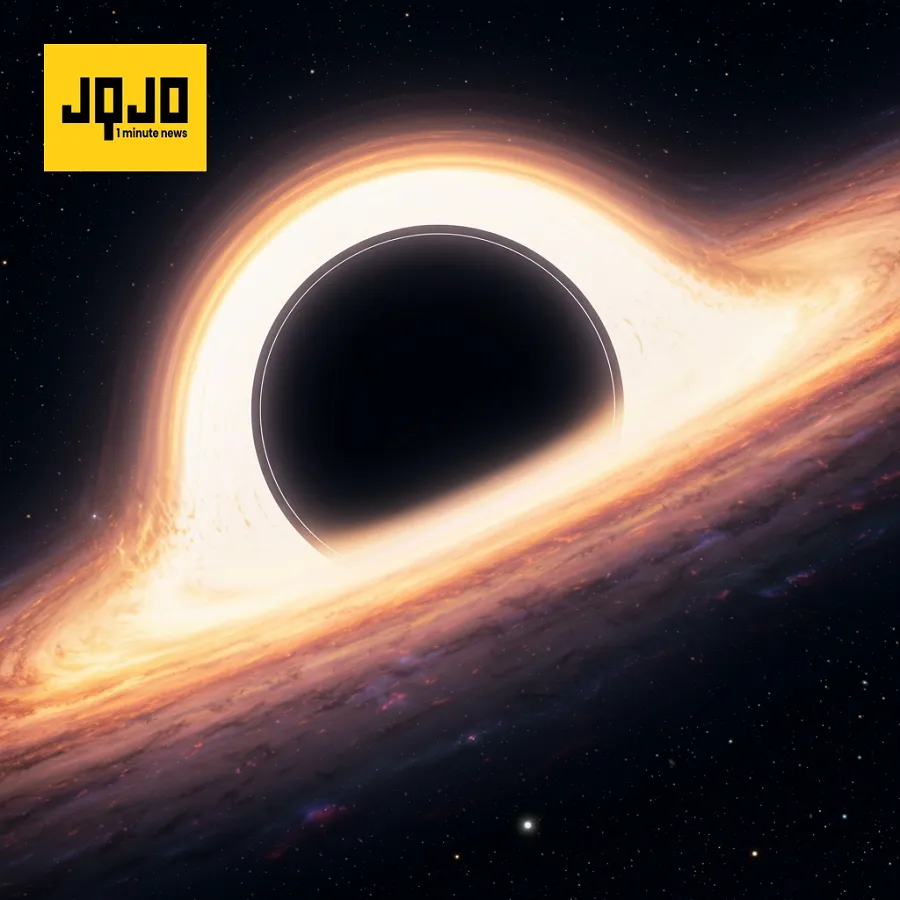
Astronomers using NASA's Chandra X-ray Observatory have discovered a supermassive black hole, RACS J0320-35, in the early universe that's growing at more than twice the theoretically possible rate. Born just 920 million years after the Big Bang, it's approximately 1 billion times the mass of our sun. This 'super-Eddington' black hole's rapid growth challenges current cosmological models and suggests fast-growing black holes may be more common in the early universe than previously thought. The research was published in The Astrophysical Journal Letters.
More context
Sources
JQJO Editorial Desk · Human reviewed · AI assisted. Report a correction.