RELIGION
Brazil's Religious Landscape Shifts: Catholicism Declines, Evangelicals Rise
▪
Read, Watch or Listen
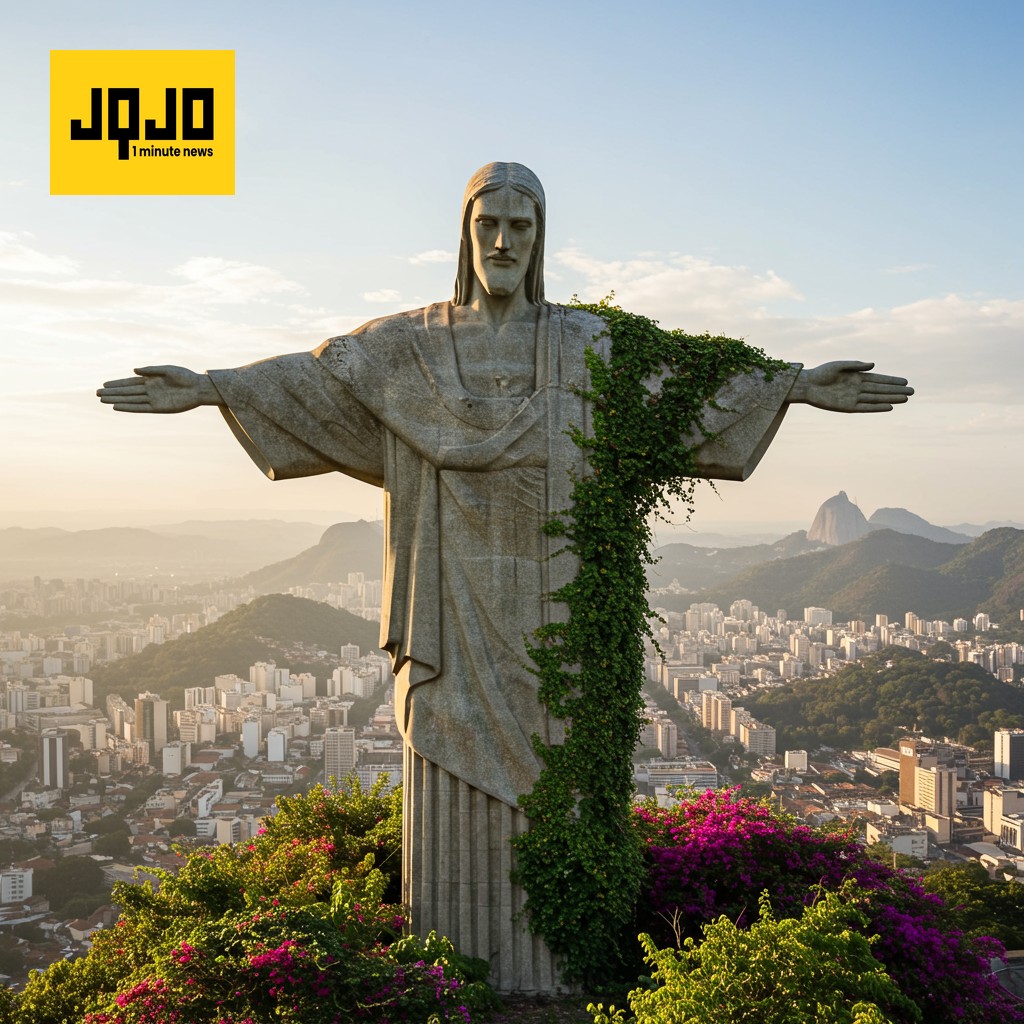
Brazil's 2022 census reveals a significant shift in religious demographics. Catholicism, once dominant at 82.9%, has fallen to 56.7%, while evangelical Christians have surged from 9% to 26.9% over the past three decades. This rise has given evangelicals considerable political influence. Conversely, those with no religious affiliation increased from 4.6% to 9.3%, and Afro-Brazilian religions like candomblé and umbanda also saw growth, rising from 0.3% to 1%. This religious landscape change presents challenges for President Lula da Silva, particularly given high disapproval ratings among evangelicals.
Prepared by Emily Rhodes and reviewed by editorial team.



Comments