U.S. and Iran Trade Accusations After Strait Incidents
Read, Watch or Listen
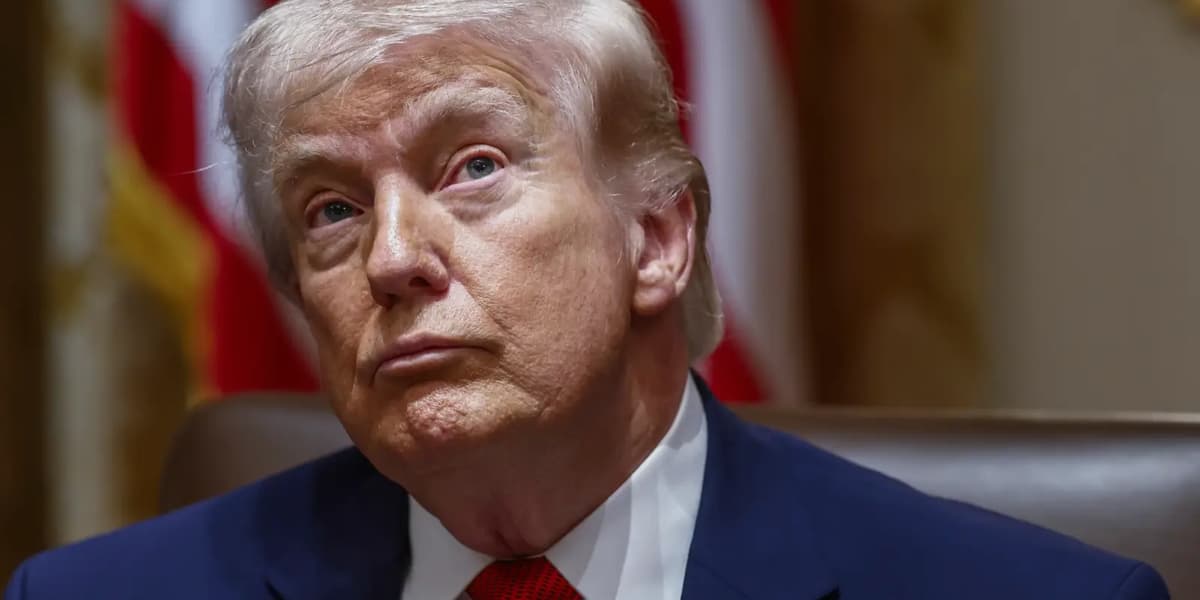
Washington — U.S. officials said three American destroyers transited the Strait of Hormuz this week and reported coming under attack, while Iran's military command accused U.S. forces of striking two Iranian vessels and carrying out airstrikes on civilian areas on May 8, escalating disputed accounts of clashes in the strategic waterway, and President Donald Trump described the engagement as successful for U.S. forces. Tehran and Washington provided conflicting damage claims, prompting the UAE to report engaging missile and drone threats and activating air defences early this week; Pakistan is mediating a reported 14-point U.S.-Iran peace framework and may host talks in Islamabad next week, while officials described a month-long ceasefire as still in effect and called for verification of reported strikes and damages.
Prepared by Lauren Mitchell and reviewed by editorial team.
Timeline of Events
- Feb 28: Initial hostilities reported, leading to subsequent ceasefire arrangements.
- Prior to early May: A month-long ceasefire is reported as in effect.
- Early May: U.S. reported three destroyers transited the Strait and came under attack.
- May 6-8: UAE reported engaging missile and drone threats; conflicting claims of strikes emerged.
- Early May: Pakistan mediators working on a one-page 14-point framework; talks possibly in Islamabad next week.
Why This Matters to You
This U.S.-Iran tension could affect oil prices. The Strait of Hormuz is a key oil route. If conflict escalates, it may disrupt oil shipments. That could raise gas prices at home. Keep an eye on your local gas prices.
The Bottom Line
There's a lot of "he said, she said" right now. Officials haven't confirmed all the details yet. But, a peace framework is in the works. This could help stabilize the situation. Worth forwarding if you know someone who's worried about gas prices.
- Articles Published:
- 4
- Right Leaning:
- 1
- Left Leaning:
- 1
- Neutral:
- 2
- Distribution:
- Left 25%, Center 50%, Right 25%
Defense industries, regional states supplying military support, and mediators gaining diplomatic leverage benefited from increased demand for security measures and negotiating influence.
Civilian populations, commercial maritime operators, and regional trade routes suffered disruption, danger, and economic risks from naval and air engagements.
Coverage of Story:
From Center
U.S. and Iran Trade Accusations After Strait Incidents
New York Post Free Malaysia TodayFrom Right
Tensions escalate in Strait of Hormuz after clash between US Destroyers, Iranian forces
Daily Pakistan Global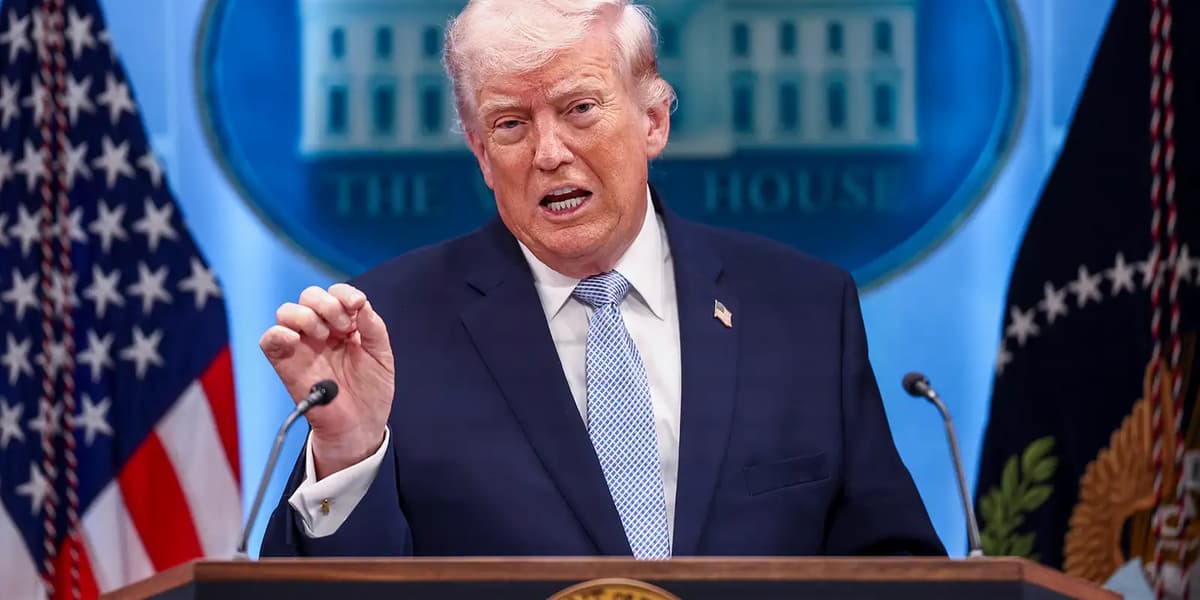


Comments