U.S. payrolls rise 178,000 amid mounting global risks
Read, Watch or Listen
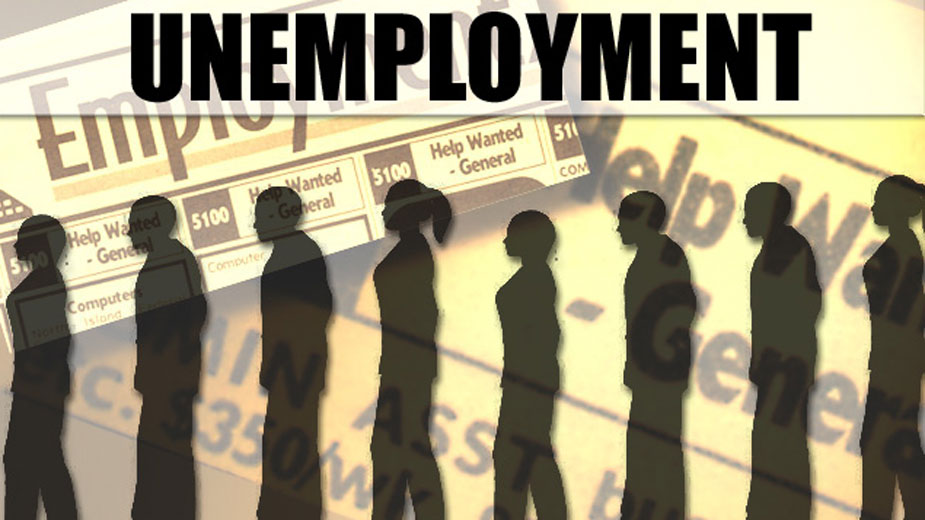
WASHINGTON — U.S. nonfarm payrolls increased by 178,000 in March and the unemployment rate fell to 4.3%, the Labor Department reported on April 3, after a healthcare workers' strike ended and seasonal factors shifted; the average workweek shortened and wage growth slowed. The report prompted economists to warn this week that the gain may overstate labor-market strength: 396,000 people left the labor force and participation dipped below 62%, while analysts cited tariff policy and a Middle East escalation as immediate downside risks to hiring.
Prepared by Christopher Adams and reviewed by editorial team.
Timeline of Events
- Early 2026: Administration pursues aggressive import tariffs, increasing business uncertainty.
- February 2026: U.S. Supreme Court limits certain duties; administration announces a temporary global tariff.
- End-February 2026: Reported strikes associated with Iran escalation push global oil prices higher.
- March 2026: Healthcare strike ends and seasonal warming affects hiring patterns.
- April 3, 2026: BLS reports +178,000 nonfarm payrolls; unemployment 4.3%; participation falls.
Why This Matters to You
The job market's health affects us all. More jobs can mean more opportunities, but a lower participation rate might signal people leaving the workforce. Plus, global events like tariff policies and Middle East tensions can impact hiring. Keep an eye on these developments.
The Bottom Line
While the 178,000 payroll increase sounds positive, slower wage growth and a shrinking workforce are concerns. Economists warn that these figures may not reflect the full picture. If you're job hunting or planning a career move, stay informed. Worth forwarding if you know someone in the same boat.
- Articles Published:
- 5
- Right Leaning:
- 1
- Left Leaning:
- 0
- Neutral:
- 4
- Distribution:
- Left 0%, Center 80%, Right 20%
Energy exporters and oil producers saw higher revenues as global oil and gasoline prices rose after strikes and geopolitical escalation at the end of February, while some firms in sectors insulated from uncertainty experienced easier hiring in March.
U.S. workers and employers in hiring-sensitive sectors faced weaker household employment, shorter average workweeks, and a drop in labor-force participation as measured in the March employment report.
Coverage of Story:
From Left
No left-leaning sources found for this story.
From Center
U.S. payrolls rise 178,000 amid mounting global risks
Free Malaysia Today Yahoo! Finance The Spokesman Review Post and Courier



Comments