
Sri Lanka Elephant Army Operation
Tap title to read story
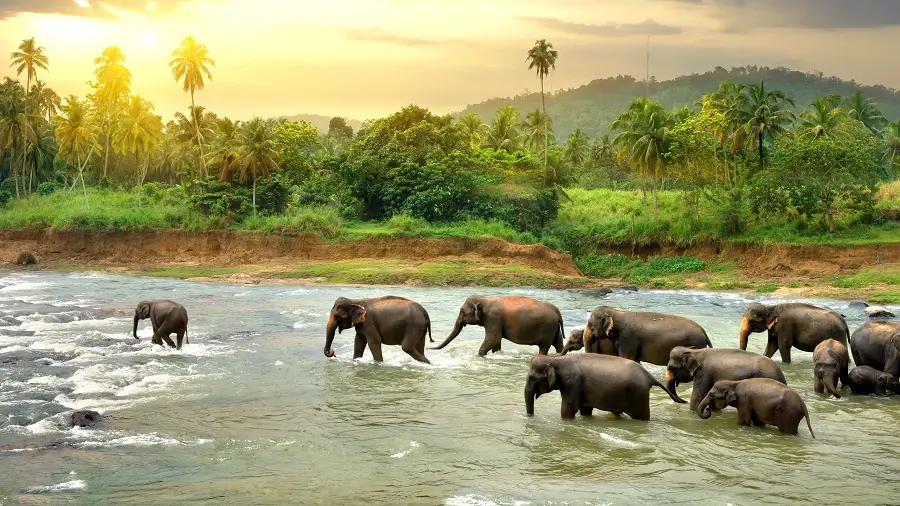
A beloved male elephant named Kavantissa, known for frequenting a rural village in Sri Lanka, died from a gunshot injury, sparking public outrage. Environmentalists criticized the authorities for their handling of the incident, while local animal rights groups called for an independent investigation. In response, the Sri Lankan government launched the 'Hasthi Sena' operation, an 'elephant army' involving 100 members from the armed forces, wildlife departments, and civil defense. The task force aims to prevent further elephant killings, curb wildlife crime, and enhance surveillance in areas with frequent human-elephant encounters. By early November, the operation had already arrested individuals involved in illegal activities such as setting wire snares and using trap guns. Since Kavantissa's death, public support has grown for assigning armed personnel to protect elephants with large tusks, known as tuskers. These tuskers are rare among Asian elephants, with a 1999 study estimating that only about 7.5 percent of male elephants in Sri Lanka are tuskers. Over the past decade, the advocacy group Wild Tuskers Srilanka (WTS) has documented 300 such elephants, identifying 17 as being at high risk due to their proximity to human settlements. The group has provided detailed profiles of these 17 tuskers to government and military officials.
More context
Timeline
- 1999 — Military Support for 'Hasthi Sena' Operation to Protect Wild Elephants
- On October 24 2026 Sri Lanka to deploy military units to protect endangered wild elephants.
- On October 25 2026 Sri Lanka to deploy military units to protect wild elephants.
- On November 3 2026 Military Support for 'Hasthi Sena' Operation to Protect Wild Elephants.
- On November 4 2026 Sri Lanka Launches 'Hasthi Sena' Operation to Protect Wild Elephants.
- On November 9 2026 Special Army units to be deployed to protect wild elephants under .
Why it matters
The death of Kavantissa highlights escalating human‑elephant conflict, threatening a species already endangered by habitat loss. Deploying 100 military and wildlife officers signals a shift toward armed conservation, raising questions about militarization of nature.
Coverage notes
Mongabay and AsianMirror focus on conservation science, framing the operation as a novel protective strategy. Newswire.lk and Bernama emphasize governmental action, appealing to national pride and policy‑watching audiences.
Primary report
Mongabay (feed) — Sri Lanka Elephant Army Operation
Sources
- news - Mongabay
- South China Morning Post
- Al Jazeera
- The Guardian
- Amnesty International
- news - Mongabay
- The Guardian
- The Guardian
- en.wikipedia.org
- Gulf News
- The Independent
- airlive
- BBC
- state.gov
- lonelyplanet.com
- The Times of India
- newswire.lk
- asianmirror.lk
- bernama.com
- The Maritime Executive
- army.lk
- newswire.lk
- Mongabay (feed)
- Adgully
- Island.lk
- Sri Lanka Mirror
- The China-Global South Project
- cwibc.co.id
- Inshorts
- Kashmir Life
- EconomyNext
- News of Bahrain
- Daily Sun
- Kuwait Times
- MediaBrief
- Tamil Guardian
- Cricfrenzy
- News On AIR
- Ada Derana
- Cricinfo
- Curly Tales
- DD India
- Daily Excelsior
- Daily Mirror - Sri Lanka
- Deccan Chronicle
- Drift Travel Magazine
- ESPN
- EasternEye
- Geo Super
- Government.nl
- India Today
- MediaNews4U
- Mundus Agri
- NDTV Sports
- Newsfirst
- Ratopati
JQJO Editorial Desk · Human reviewed · AI assisted. Report a correction.