SpaceX Rejects Fed Subsidy for Starlink
Tap title to read story
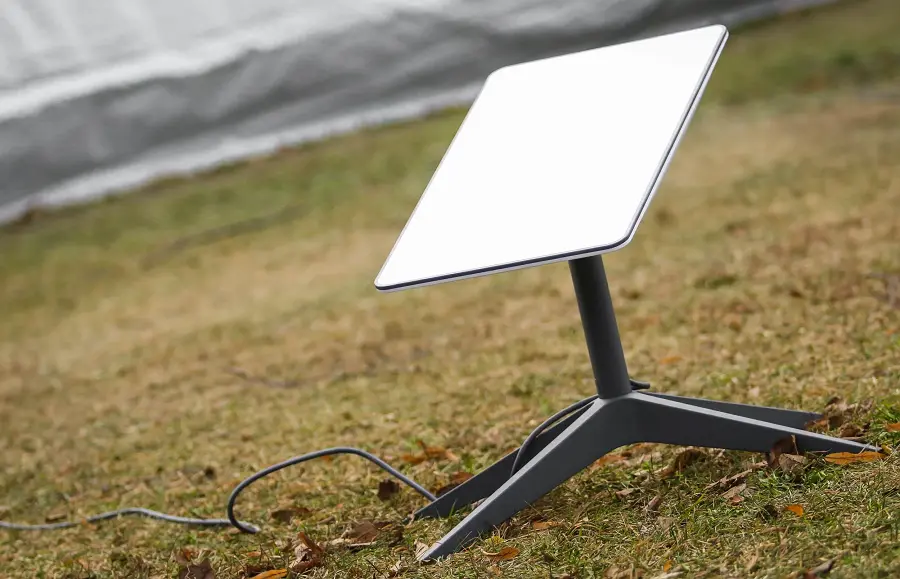
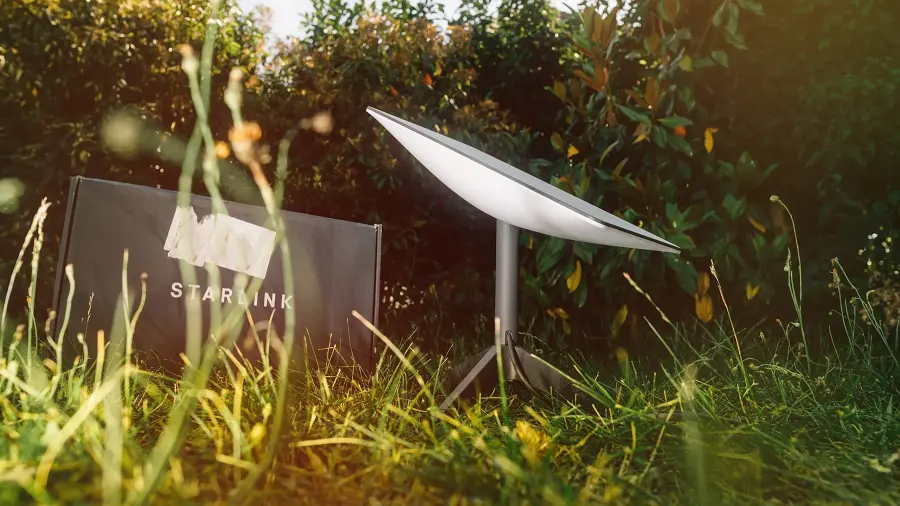
SpaceX has opted to forgo approximately seven hundred thirty-eight million dollars in federal broadband subsidies under the Broadband Equity, Access, and Deployment (BEAD) program. The National Telecommunications and Information Administration (NTIA) confirmed that SpaceX will still provide broadband services to all locations awarded to it under the program at no cost to the program. A senior NTIA official noted that SpaceX approached the agency with the idea after facing challenges with differing contract terms across all fifty states, including state demands for financial reporting and penalties for defaulting. NTIA Administrator Arielle Roth stated that the agreement could save taxpayers hundreds of millions of dollars while accelerating broadband access for more Americans. Under the new model agreement, SpaceX must meet BEAD’s minimum speeds of one hundred Mbps down and twenty Mbps up, pass performance testing, and submit reports every six months. New subscribers at covered locations will receive the Starlink dish and router at no cost, but the monthly subscription remains unchanged. The deal removes financial audit, procurement, and reporting provisions from the original agreement. States now have two options: sign the model agreement or rebid the SpaceX locations at a cost aligned with their approved plans. Some states had already signed contracts with SpaceX, but those agreements are no longer valid. Arizona awarded SpaceX seventeen point one million dollars to cover ten thousand seven hundred forty-nine locations, while Virginia awarded three point three million dollars for five thousand five hundred seventy-nine locations.
More context
Timeline
- 2026-11-25 — SpaceX Rejects Fed Subsidy for Starlink
Why it matters
SpaceX’s $738 million BEAD subsidy rejection signals a strategic shift toward autonomous Starlink deployment, altering federal broadband funding dynamics. Consumers in underserved regions may face delayed access, as the company prioritizes private investment over public grant support.
Coverage notes
TechCrunch and Wired highlight the move, framing it as a bold bet on satellite dominance. Financial Times and Bloomberg focus on fiscal implications, noting potential savings for taxpayers and market competition.
Primary report
Teslarati (rss) — SpaceX Rejects Fed Subsidy for Starlink
Sources
JQJO Editorial Desk · Human reviewed · AI assisted. Report a correction.