Super El Niño Alters California
Tap title to read story
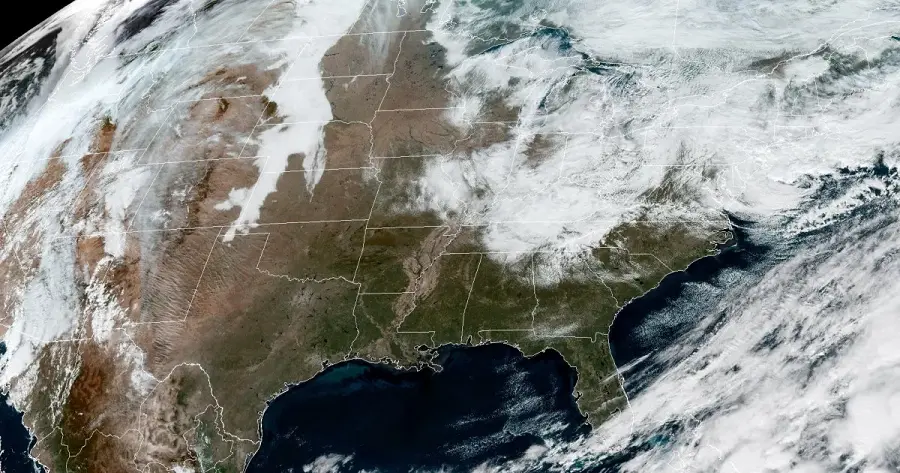
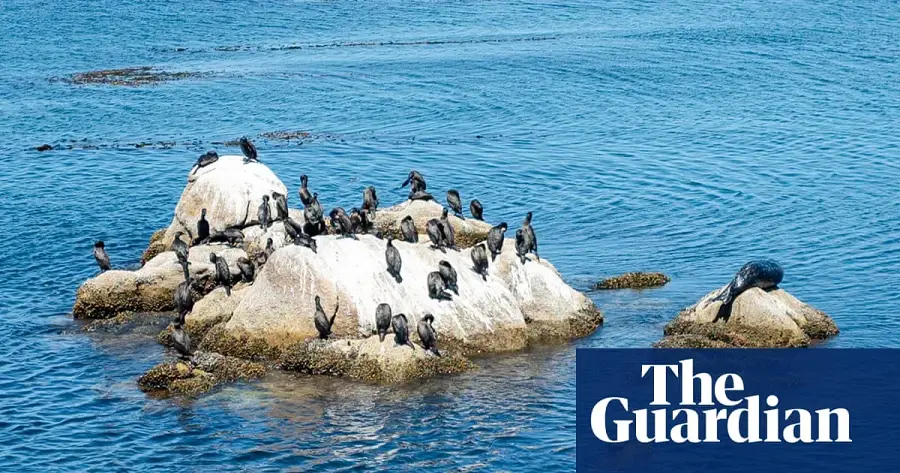
On a picturesque autumn afternoon last week, Monterey Bay’s beaches were teeming with life and death. Shorebirds danced with the surf while receding tides deposited lifeless feathers and bone tangled in kelp. Swollen sea lion carcasses dotted the sand as beachgoers enjoyed the warm day. Scientists say the historic El Niño has officially reached Monterey Bay, and the mortality displayed may herald more. Water temperatures are climbing off the charts, record‑smashing high tides swallow shoreline, and vital parts of the food web disappear, starving species throughout the system. Dr Jono Wilson of The Nature Conservancy notes it is like nothing we’ve ever seen, and scientists are still trying to wrap their heads around the sheer scale of this event.
More context
Timeline
- 1997 — 1997-1998 Super El Niño caused record ocean warming.
Why it matters
Immediate US impact: Increased coastal erosion threatens California beach communities and tourism. Possible long-term US impact: Long‑term warming may disrupt fisheries and marine biodiversity. Most affected groups: Coastal residents, fishermen, and marine conservationists feel impacts. Reader priority: Readers should monitor local advisories and support conservation efforts.
Coverage notes
Center: Coverage from salatainstitute.harvard.edu, FOX Weather, NewsBreak frames this as a developing news story: Super El Niño Alters California. Reporting emphasizes verified facts, named sources, and near-term impact for readers. Left: Left-leaning desks covering the same development typically emphasize public impact, institutional accountability, and who is most affected. Right: Right-leaning desks covering the same development typically emphasize practical outcomes, market or security stakes, and institutional response.
Primary report
The Guardian — Super El Niño Alters California
Sources
JQJO Editorial Desk · Human reviewed · AI assisted. Report a correction.