FDA Issues Warning on GLP‑1
Tap title to read story
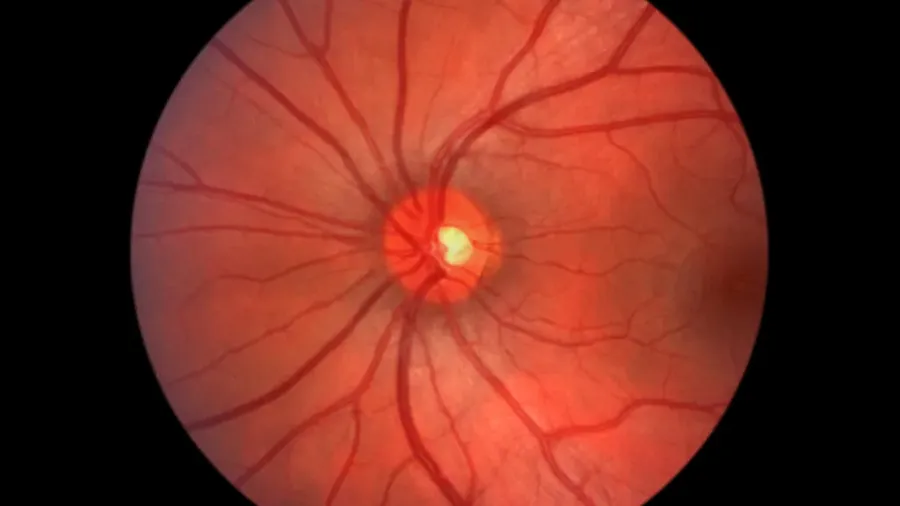
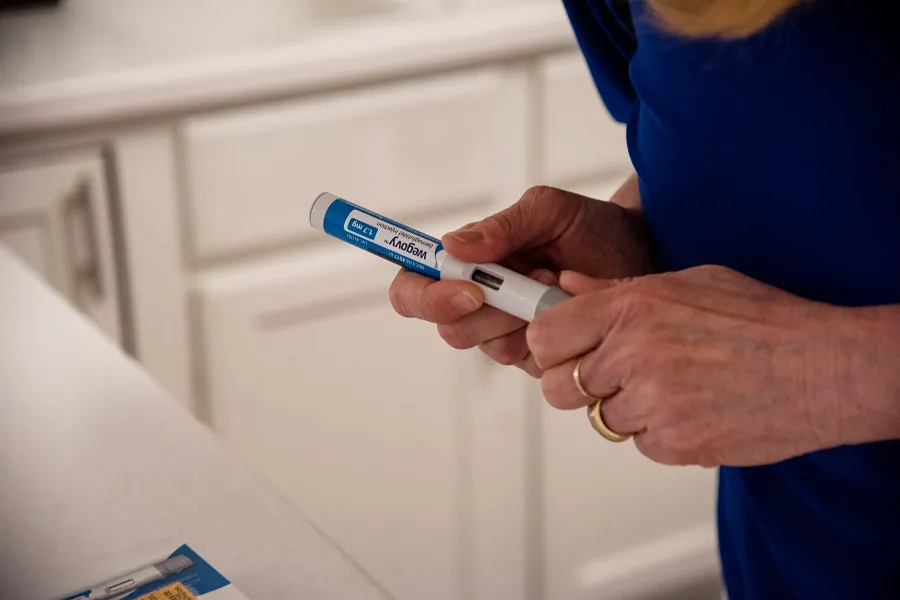
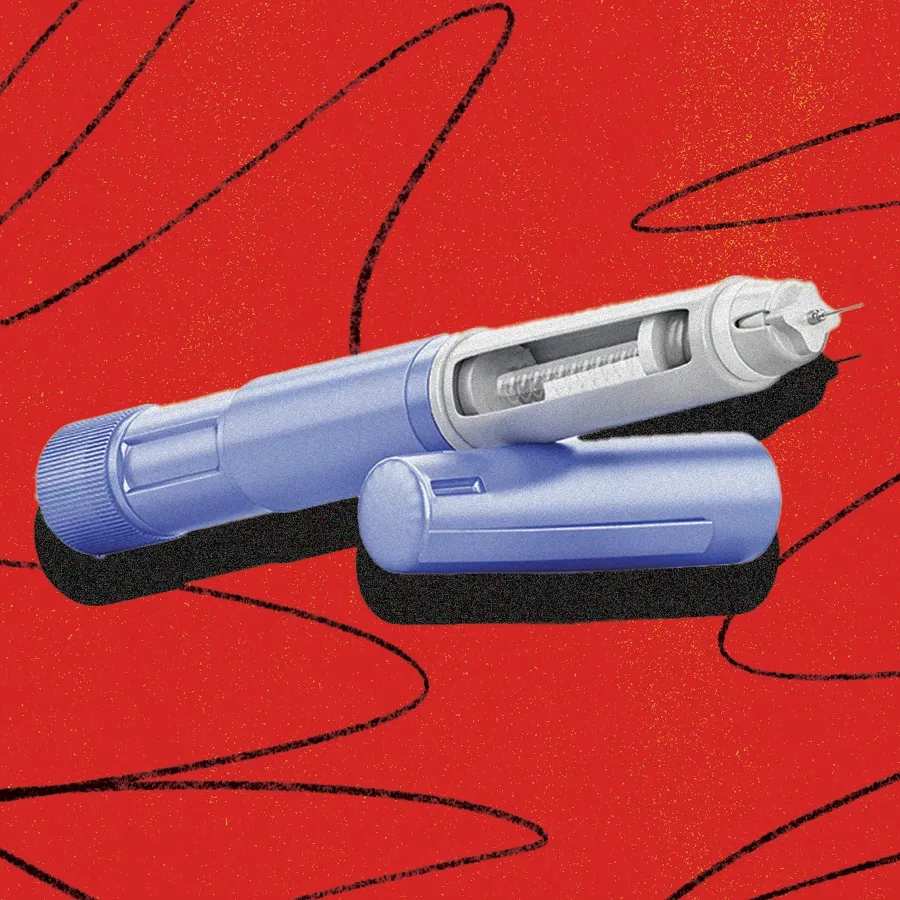
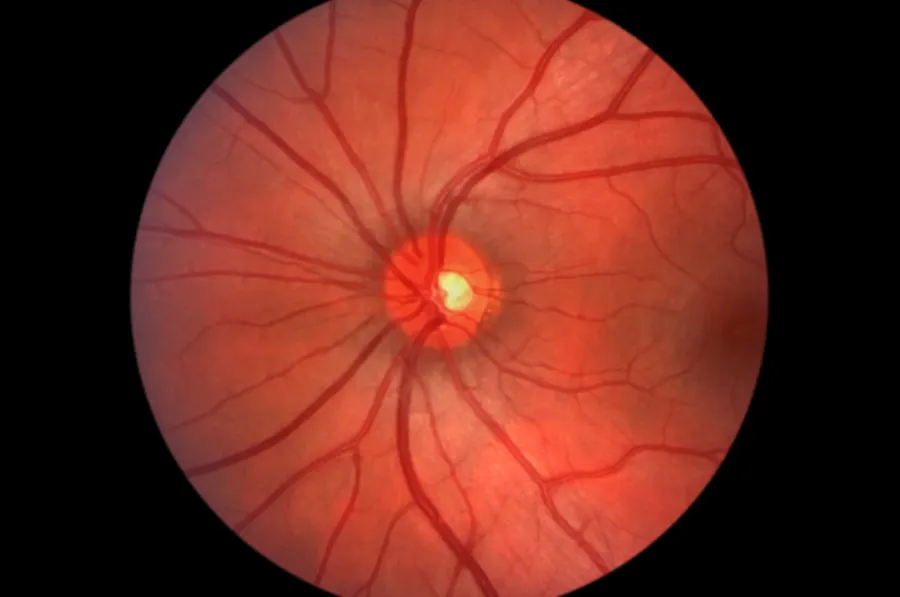
The Food and Drug Administration on Monday warned that GLP‑1 drugs carry a potential risk for a rare but serious eye condition and required pharmaceutical companies to inform patients and doctors of the risk. The condition, called non‑arteritic anterior ischemic optic neuropathy, or NAION, is sometimes referred to as an “eye stroke” and is caused by insufficient blood flow to the optic nerve. It typically causes sudden vision loss and, in severe cases, can lead to blindness. There are currently no proven treatments for the condition. GLP‑1 drugs such as Novo Nordisk’s Ozempic and Wegovy and Eli Lilly’s Mounjaro and Zepbound have exploded in popularity for their potent weight‑loss effects, but side effects can appear in real‑world use that weren’t observed in clinical trials.
More context
Timeline
- On November 9 2026 FDA warns GLP‑1 drugs may increase eye stroke risk.
- On November 9 2026 Agency requires manufacturers to add NAION warning.
Why it matters
Immediate US impact: Patients must review medication labels for eye risk Possible long-term US impact: Pharmaceutical companies will adjust marketing and safety communications Most affected groups: Individuals using GLP‑1 weight‑loss drugs Reader priority: Understand potential vision loss side effect
Coverage notes
Center: Coverage from abcnews.com, nbcnews.com, qz.com frames this as a developing news story: FDA Issues Warning on GLP‑1. Reporting emphasizes verified facts, named sources, and near-term impact for readers. Left: Left-leaning desks covering the same development typically emphasize public impact, institutional accountability, and who is most affected. Right: Right-leaning desks covering the same development typically emphasize practical outcomes, market or security stakes, and institutional response.
Primary report
STAT — FDA Issues Warning on GLP‑1
Sources
JQJO Editorial Desk · Human reviewed · AI assisted. Report a correction.