DOE intends to loan Vistra $4.2B for nuclear fleet improvements
Tap title to read story
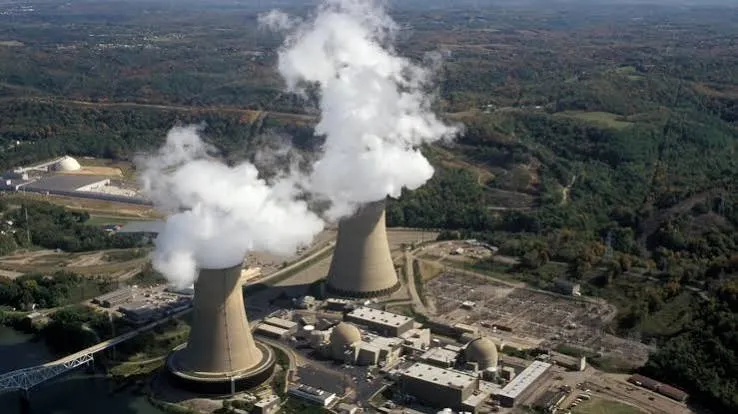
The United States Department of Energy announced a conditional loan commitment of up to 4.2 billion dollars to Vistra Corporation. The federal financing aims to modernize and expand power output across several nuclear facilities, including Beaver Valley in Pennsylvania, along with Davis-Besse and Perry in Ohio. The modernization projects are projected to add 433 megawatts of new zero-carbon nuclear capacity and preserve nearly four gigawatts of reliable baseload power. Additionally, the upgrades will allow the targeted reactor operations to extend for twenty years past their current licenses. The initiative aligns with a broader push by the federal government and private sector to scale up clean energy sources to match accelerating electricity demands driven by technology infrastructure. Because this is a conditional commitment, Vistra must fulfill specific technical, legal, environmental, and financial requirements before definitive financing documents are finalized and funds are disbursed.
More context
Timeline
- On January 15 2024 Vistra completed its acquisition of Energy Harbor.
- On November 12 2024 Department of Energy announced clean energy loan programs.
- On February 10 2025 Vistra submitted initial nuclear modernization financing applications.
- On May 20 2025 federal regulators reviewed regional power grid reliability metrics.
- On August 14 2025 energy demand projections from data centers increased sharply.
- On October 5 2026 Department of Energy issued conditional loan commitment.
- On October 6 2026 Vistra shares experienced significant market activity following announcement.
- On October 7 2026 company executives prepared technical requirement documentation for review.
- In coming months Vistra will complete environmental reviews and technical assessments.
- By late 2028 initial nuclear facility capacity upgrades are scheduled.
Why it matters
Immediate US impact: Federal funding accelerates zero-carbon capacity expansion for regional grids. Possible long-term US impact: Long-term nuclear generation stability supports national decarbonization and grid reliability. Most affected groups: Nuclear operators, energy investors, and industrial power consumers are most affected. Reader priority: Readers should prioritize official agency statements and investor relations disclosures.
Coverage notes
Left: Emphasizes climate benefits and zero-carbon grid expansion goals. Center: Reports financial figures, loan conditions, and market impacts neutrally. Right: Focuses on grid reliability and meeting surging industrial power demands.
Primary report
Department of Energy announced conditional loan commitment on October 5 2026.
Sources
JQJO Editorial Desk · Human reviewed · AI assisted. Report a correction.