A Colorado Water Trial Could Decide the Future of an Agricultural Valley
Tap title to read story
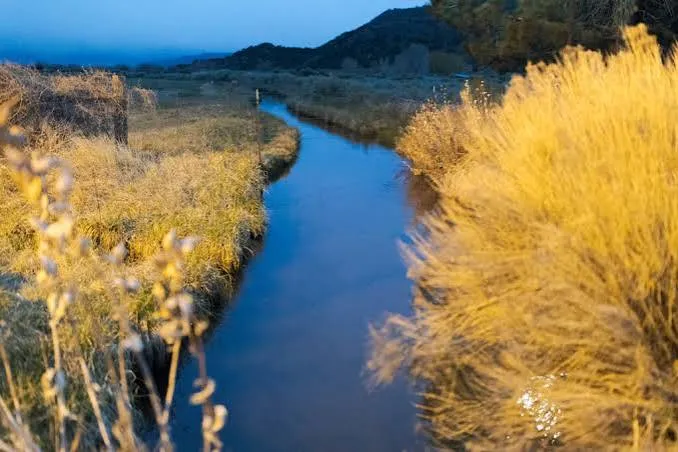
A high-stakes legal battle in Colorado water court centers on the San Luis Valley and the severe depletion of its unconfined underground aquifer. Decades of heavy agricultural groundwater pumping, combined with shrinking snowpack, have drained the Upper Rio Grande Basin. At issue is the Fourth Amended Plan of Water Management, which targets a sustainable one-to-one return system to halt ecological collapse. While water managers argue strict pumping cuts are vital, local farmers face devastating economic losses that threaten family farms. The trial highlights deep divisions within the agricultural community, with critics asserting the plan violates historic water rights. The upcoming court ruling will establish a major precedent for managing stressed tributary aquifers amid intensifying climate aridity across rural western farming economies.
More context
Timeline
- On January 1 2004 State officials recognized accelerating groundwater declines across the valley.
- On June 15 2010 Local water districts established subdistricts to manage aquifer levels.
- On September 10 2018 The state engineer initially rejected earlier versions of management plans.
- On April 12 2022 Agricultural stakeholders debated mandatory pumping caps during public meetings.
- On May 20 2024 The state engineer approved the Fourth Amended Plan of Water.
- On January 10 2025 Colorado water court judges initiated formal evidentiary trial proceedings.
- On March 1 2026 Expert witnesses testified regarding aquifer recovery models and timelines.
- On July 27 2026 Closing arguments and trial proceedings concluded in water court.
- On October 4 2026 Legal analysts await the final judicial ruling on water management.
- On January 15 2027 Implementation of mandated pumping restrictions is expected to begin statewide.
Why it matters
Immediate US impact: Immediate US impact involves reduced regional crop yields and farming revenue. Possible long-term US impact: Long-term US impact creates precedent for western states managing scarce groundwater. Most affected groups: Most affected groups include Colorado farmers, irrigators, and rural valley communities. Reader priority: Reader priority requires monitoring state water court rulings and agricultural policy.
Coverage notes
Left: Emphasizes ecological preservation and long-term climate crisis mitigation needs. Center: Focuses strictly on legal arguments and economic impacts on farmers. Right: Highlights government overreach and protection of private water rights.
Primary report
Colorado water court concluded trial evaluating aquifer management plans today.
Sources
- Inside Climate News
- Hydrology Research News
- Sierra Club Compass
- Center for Western Priorities
- Colorado Public Radio
- The Pueblo Chieftain
- Colorado Politics
- Western Farm Press
- Agweek
- Farm Journal
- Drovers Cattle
- Rural Montana News
- Gazette Colorado
- Watchdog Colorado
- Heritage Foundation Commentary
- Western Land Report
- courts.state.co.us
JQJO Editorial Desk · Human reviewed · AI assisted. Report a correction.