In New Hampshire Senate race, the Democrat faces an unusually tough time
Tap title to read story
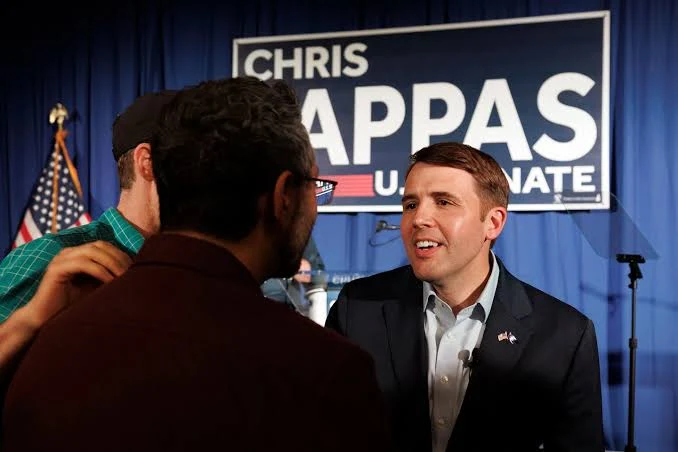
The 2026 United States Senate race in New Hampshire between Democratic Representative Chris Pappas and Republican former Senator John E. Sununu has shifted from a lean Democratic advantage to a competitive toss-up contest. Analysts attribute the tightening margins to the strong political brand recognition of Sununu, whose family name carries substantial weight in state politics, offering him significant crossover appeal. Additionally, substantial Republican fundraising and national financial investments have intensified campaign advertising across the state. Democrats face internal discussions regarding core economic messaging while attempting to defend a critical seat on a challenging map. Maintaining this open Senate seat remains essential for Democrats seeking to preserve legislative majorities, while Republicans view the contest as a prime pickup opportunity amid shifting voter sentiments in the Granite State.
More context
Timeline
- On November 8 2022, Jeanne Shaheen secured previous Democratic victory in Senate.
- On January 15 2026, Chris Pappas announced official candidacy for Senate seat.
- On February 10 2026, John E. Sununu entered the Senate race.
- On March 22 2026, campaign fundraising reports showed substantial early financial contributions.
- On April 14 2026, primary polling indicated a solid lean toward Democrats.
- On May 30 2026, local business forums debated economic messaging and inflation concerns.
- On June 18 2026, outside political action committees increased television advertising buys.
- On July 25 2026, public tracking polls showed narrowing margins between candidates.
- On August 19 2026, debate panels focused heavily on national economic policies.
- On September 8 2026, John E. Sununu and Chris Pappas won their respective primaries.
- On October 2 2026, nonpartisan analysts shifted race rating to tossup.
- Experts project intense campaign spending through November general election day.
- Analysts expect final voter turnout to reach record midterm levels.
Why it matters
Immediate US impact: Shifted midterm balance of power calculations nationwide. Possible long-term US impact: Altered Senate legislative control dynamics for future congressional sessions. Most affected groups: New Hampshire voters campaign donors and political party strategists. Reader priority: Monitor verified local polling updates and candidate policy statements.
Coverage notes
Left: Emphasizes national Republican funding advantages and anti-Trump messaging strategies. Center: Focuses on balanced polling data and competitive candidate strengths. Right: Highlights strong family political legacy and economic voter dissatisfaction.
Primary report
Nonpartisan election analysts shifted New Hampshire Senate race rating.
Sources
- Washington Post
- New York Times
- The New Republic
- HuffPost
- Washington Post Express
- The Independent
- Associated Press
- WMUR Channel 9
- Politico
- The Hill
- Reuters
- Bloomberg
- USA Today
- Newsweek
- Time
- Axios
- Politico Pro
- The Messenger
- Forbes
- NPR
- Bloomberg Government
- Financial Times
- Reuters Breakingviews
- New Hampshire Union Leader
- Wall Street Journal
- Washington Times
- Newsmax
JQJO Editorial Desk · Human reviewed · AI assisted. Report a correction.