Could the International Space Station win a Nobel Peace Prize? Here's what to know
Tap title to read story
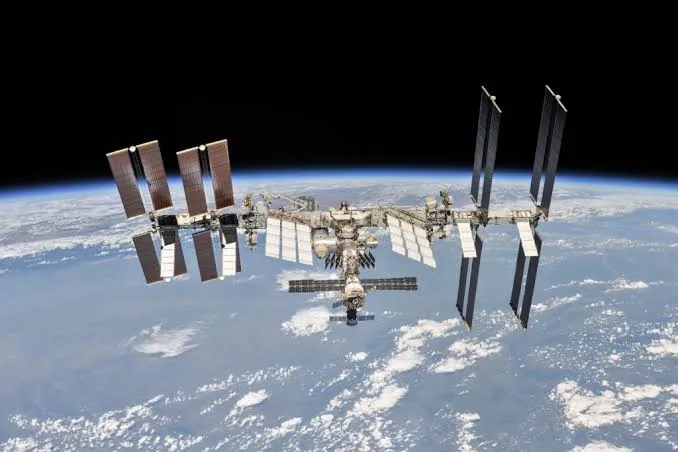
The International Space Station partnership has emerged as a potential contender for the Nobel Peace Prize due to its enduring legacy of global cooperation. Forecasters at the Peace Research Institute Oslo highlighted the multinational platform as a rare symbol of peaceful diplomacy amid terrestrial geopolitical tensions. Representatives from the United States, Russia, Europe, Canada, and Japan have collaborated continuously aboard the station since its inception. As the orbital facility approaches its scheduled decommissioning in the early 2030s, advocates propose celebrating major scientific achievements through the honor. The diverse field of contenders also includes prominent humanitarian groups, international legal bodies, and global political figures. Observers note that selecting the space station would underscore the value of multilateral science diplomacy over traditional political maneuvering. Discussions regarding the nomination continue gaining traction among international policy analysts and space enthusiasts worldwide as analysts evaluate the lasting diplomatic impact of orbital cooperation.
More context
Timeline
- On January 29, 1998 international partners signed the foundational Space Station Agreement.
- On November 20, 1998 Zarya module launch initiated construction of orbital station assembly.
- On December 4, 1998 Space Shuttle Endeavour delivered the Unity connecting module successfully.
- On October 31, 2000 Expedition 1 crew successfully docked with the station complex.
- On November 2, 2000 first permanent resident crew arrived aboard Soyuz TM-31 spacecraft.
- On June 7, 2024 Peace Research Institute Oslo highlighted station potential recognition.
- On October 3, 2026 analysts discussed diplomatic legacy ahead of scheduled decommissioning timeline.
- On January 1, 2030 extended operational phase approaches targeted final de-orbit preparation windows.
- On December 31, 2030 scheduled decommissioning operations target controlled re-entry into Earth atmosphere.
- On January 1, 2035 post-station commercial platforms expect continuation of low Earth research.
Why it matters
Immediate US impact: Validates multinational scientific collaboration frameworks during heightened geopolitical tensions globally. Possible long-term US impact: Establishes permanent precedents for peaceful technological partnerships in future endeavors. Most affected groups: Space agencies, international policy analysts, aerospace contractors, and diplomatic research groups. Reader priority: Prioritize official PRIO announcements and verified international space agency releases.
Coverage notes
Left: Highlights multilateral cooperation and diplomatic bridge-building among rival nations. Center: Reports factual forecasting details regarding potential international prize consideration objectively. Right: Emphasizes technological achievements while noting geopolitical friction among partners.
Primary report
Peace Research Institute Oslo highlighted station candidacy on June seven.
Sources
- The Independent
- Haaretz
- Moscow Times
- Reuters
- Associated Press
- NPR
- Politico
- The Hill
- TIME
- NBC News
- USA Today
- Bloomberg
- Forbes
- Sky News
- Euronews
- CBC News
- Global News
- The Sydney Morning Herald
- The Age
- The Japan Times
- NHK World
- NDTV
- The Straits Times
- South China Morning Post
- Times of Israel
- The Wall Street Journal
- Daily Mail
- News.com.au
- prio.org
JQJO Editorial Desk · Human reviewed · AI assisted. Report a correction.