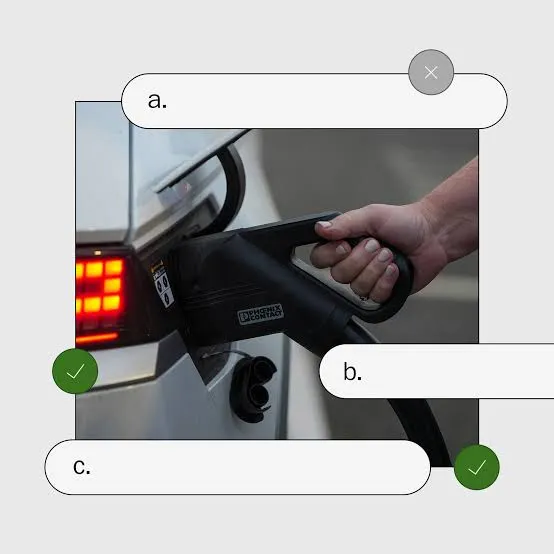
Gas prices are soaring. Should you buy an electric car? Take our quiz.
Tap title to read story
Rising petroleum costs routinely prompt drivers to evaluate electric vehicles as a cost-effective alternative. However, analyzing total ownership expenses requires examining several practical variables beyond sticker prices and fuel savings at charging stations. Home charging infrastructure represents the single most significant factor in long-term financial efficiency, allowing owners to maximize savings through overnight rates. Conversely, relying strictly on public fast-charging networks substantially narrows the cost advantage over traditional internal combustion engines. Prospective buyers must also evaluate daily driving mileage, regular commuting habits, and regional charging availability to avoid potential range limitations. While new electric vehicle prices remain elevated compared to traditional models, expanding used vehicle inventories and hybrid options provide accessible entry points. Ultimately, determining whether an electric vehicle suits a consumer's budget depends on calculating maintenance reductions, depreciation rates, and daily energy requirements without relying solely on temporary market fluctuations.
More context
Timeline
- On January 15 2024 National average gasoline prices recorded steady fluctuations across US markets.
- On March 10 2024 Federal agencies updated electric vehicle tax credit administration guidelines.
- On June 22 2024 Public fast-charging infrastructure expanded across major metropolitan transportation corridors.
- On September 5 2024 Used electric vehicle market depreciation accelerated industry-wide inventory adjustments.
- On November 18 2024 Utility providers introduced specialized residential overnight electricity rate structures.
- On February 14 2025 Automakers announced increased production volumes for hybrid electric models.
- On May 30 2025 Consumer research highlighted home charging access as primary savings driver.
- On August 12 2025 Regional gasoline price spikes renewed consumer interest in alternative powertrains.
- On October 4 2025 Industry analysts published comprehensive total cost of ownership comparisons.
- On October 3 2026 Current market evaluations emphasize charging infrastructure and depreciation math.
Why it matters
Immediate US impact: Consumers reevaluate daily commuting costs amid fluctuating fuel expenses. Possible long-term US impact: Accelerated adoption of residential charging infrastructure and alternative powertrains nationwide. Most affected groups: US commuters, automotive manufacturers, utility providers, and prospective vehicle buyers. Reader priority: Prioritize verified total cost analyses over short-term fuel price reactions.
Coverage notes
Left: Emphasizes environmental benefits and policy incentives for electric vehicle adoption. Center: Focuses objectively on financial math, total cost, and infrastructure realities. Right: Highlights market freedom, consumer choice, and hybrid alternatives over mandates.
Primary report
Published comprehensive consumer analysis regarding electric vehicle purchases during gas price spikes.
Sources
- NPR
- Politico
- The Seattle Times
- The Atlantic
- Green Car Reports
- Reuters
- Associated Press
- Bloomberg
- Wall Street Journal
- USA Today
- Financial Times
- MarketWatch
- Forbes
- The Washington Post
- New York Times
- Chicago Tribune
- Houston Chronicle
- Miami Herald
- Time
- Quartz
- The Hill
- Axios
- Detroit Free Press
- Edmunds
- Kelley Blue Book
- Autoblog
- Jalopnik
- J.D. Power
- The Street
- The Economist
- Forbes Advisor
- U.S. News & World Report
JQJO Editorial Desk · Human reviewed · AI assisted. Report a correction.