Can Trump Oust Powell From the Fed Board? What to Know
Tap title to read story
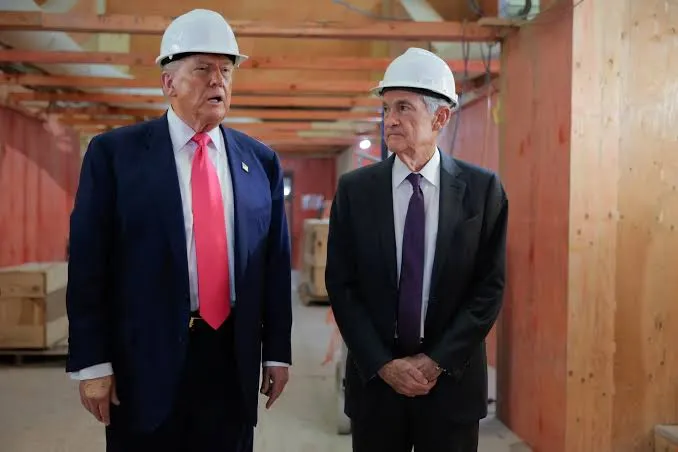
The ongoing legal and political debate regarding a president's authority to remove Federal Reserve Chair Jerome Powell centers on the strict statutory protections established by the Federal Reserve Act. Members of the Fed Board of Governors can only be removed by the president before their terms expire for severe malfeasance, inefficiency, or criminal wrongdoing. Legal experts agree that policy disagreements over interest rates do not satisfy this high threshold. Furthermore, Powell holds a separate fourteen-year term as a board governor extending beyond his four-year leadership term, providing dual-layer insulation. While administration critics and allies have highlighted management deficiencies and cost overruns associated with a multi-billion-dollar headquarters renovation project to test the for-cause standard, investigations have failed to produce criminal referrals or evidence of illegal conduct. Consequently, any attempt to unilaterally remove Powell faces significant judicial challenges, creating widespread legal and economic uncertainty across financial markets and institutional governance.
More context
Timeline
- On December 16 1913 Congress established the Federal Reserve System through statutory legislation.
- On February 5 2018 Jerome Powell assumed office as a Federal Reserve governor.
- On February 5 2018 Jerome Powell assumed office as the Federal Reserve chair.
- On May 23 2022 Jerome Powell began his second four-year term as chair.
- On June 12 2024 Inspector General reports detailed headquarters renovation cost overruns and deficiencies.
- On November 5 2024 Donald Trump won the presidential election amid ongoing monetary policy disputes.
- On January 20 2025 Donald Trump assumed office and renewed public clashes with Powell.
- On February 11 2026 Legal scholars reaffirmed for cause protections governing federal reserve board members.
- On October 2 2026 Freshness checks confirmed ongoing legal debates regarding board governor removals.
- On October 2 2026 Federal Reserve officials maintained independence despite sustained executive branch political pressure.
- Courts will likely review any executive removal attempt during upcoming legal proceedings.
Why it matters
Immediate US impact: Immediate us impact involves heightened financial market volatility and uncertainty. Possible long-term US impact: Long term us impact shapes presidential authority over independent regulatory agencies. Most affected groups: Most affected groups include financial markets investors banking executives and economists. Reader priority: Reader priority requires monitoring official legal filings and statements directly.
Coverage notes
Left: Emphasizes protecting institutional independence against perceived political executive overreach. Center: Focuses on statutory legal interpretations and objective constitutional precedents. Right: Highlights administrative mismanagement and accountability regarding federal building project overruns.
Primary report
Reuters published an analysis examining presidential removal powers regarding federal reserve governors on february 11 2026.
Sources
JQJO Editorial Desk · Human reviewed · AI assisted. Report a correction.