Monday briefing: Trump ads; Hurricane Polo; how dogs understand us
Tap title to read story
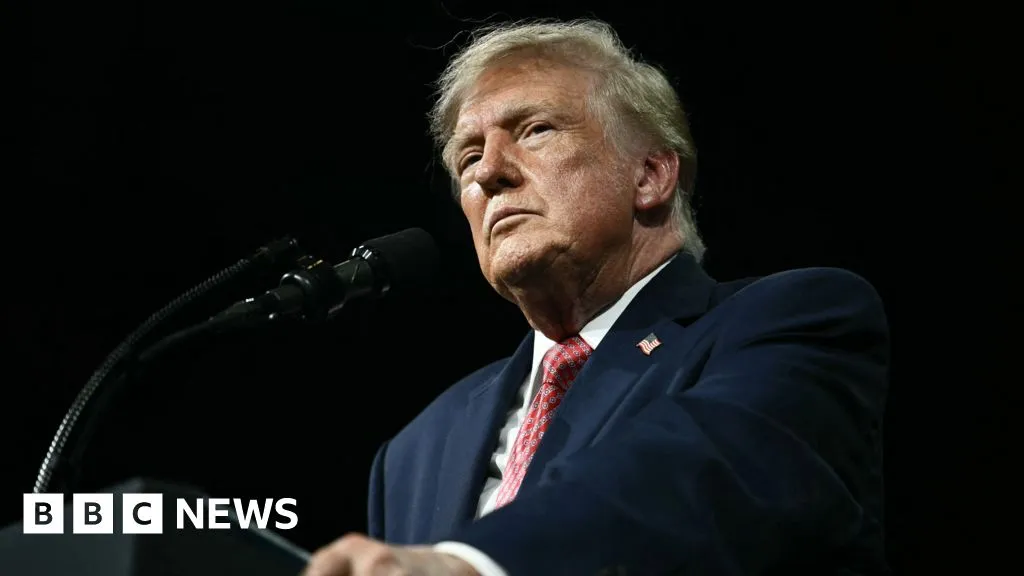
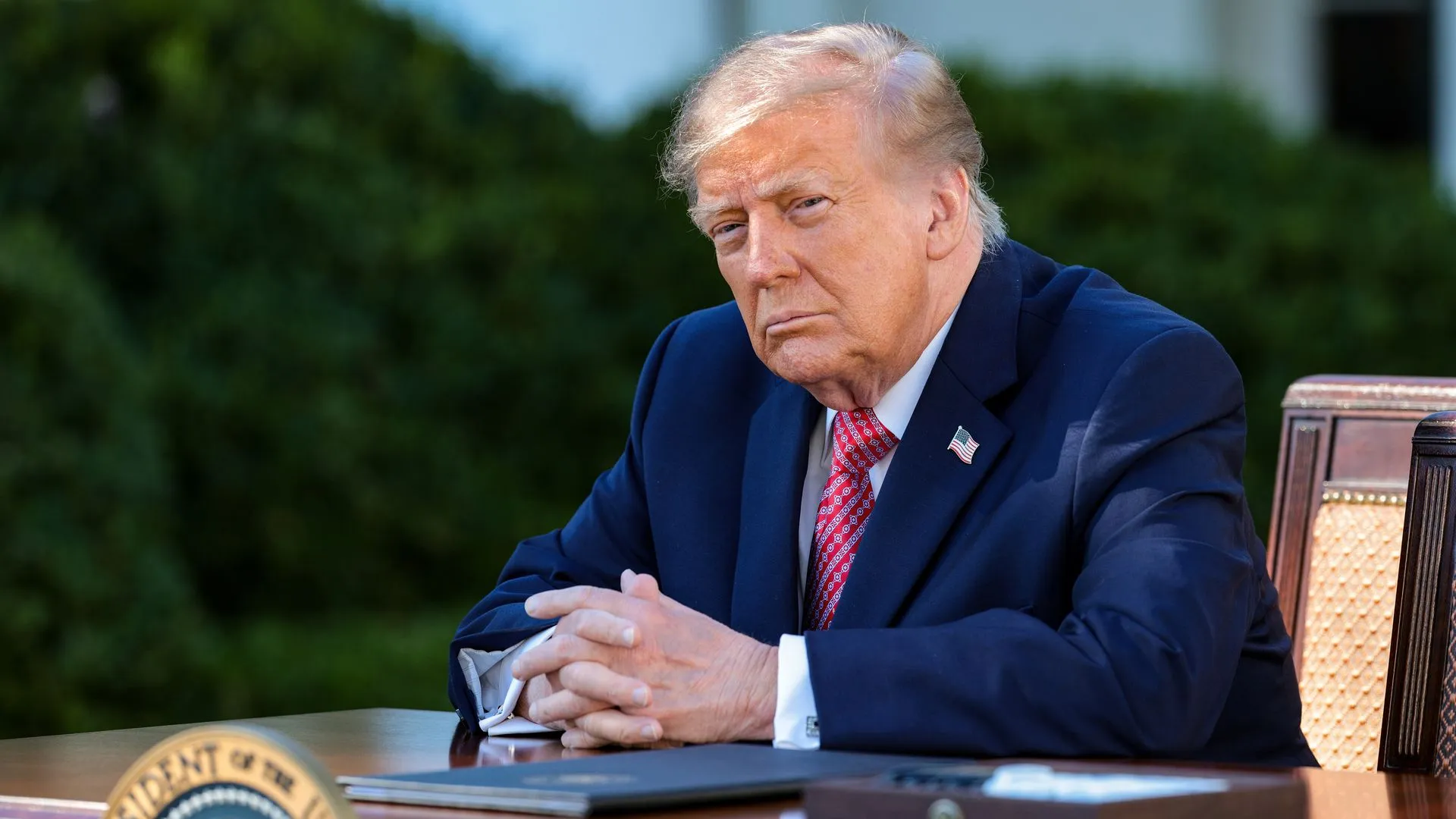
The White House has broadened its rollout of taxpayer-funded advertising campaigns designed to highlight administration policies and presidential initiatives. Critics and ethics watchdogs are scrutinizing the scale and messaging of these ads, raising concerns about the line between official public communication and partisan political promotion. The expansion features messaging promoting executive actions and legislative priorities, drawing pushback from lawmakers questioning the use of federal resources. Administration defenders maintain that the communication efforts serve a vital public awareness role, informing citizens about federal services and ongoing policy execution. The ongoing debate reflects long-standing partisan tensions over executive branch communication budgets and accountability standards in federal public relations.
More context
Timeline
- On January 20 2021 administration officials assumed office and established communication priorities.
- On March 15 2022 federal agencies reviewed public outreach and advertising spending guidelines.
- On November 10 2023 ethics watchdogs reported increasing federal expenditures on promotional media.
- On June 5 2024 congressional committees requested transparency regarding federal public relations campaigns.
- On January 15 2025 administration spokespersons defended public outreach budgets before lawmakers.
- On August 20 2025 new federal advertising placements appeared across digital platforms.
- On February 10 2026 watchdog organizations published reports criticizing recent campaign messaging.
- On September 25 2026 the White House expanded its ongoing taxpayer-funded ad rollout.
- On September 28 2026 critics intensified scrutiny over federal advertising expenditures and messaging.
- Expected in coming months federal oversight committees will debate funding restrictions.
Why it matters
Immediate US impact: Immediate US impact involves heightened scrutiny over federal communication spending. Possible long-term US impact: Long-term US impact may alter federal public relations funding rules. Most affected groups: Most affected groups include federal agencies and congressional oversight committees. Reader priority: Readers should prioritize primary government filings and independent watchdog reports.
Coverage notes
Left: Framing emphasizes misuse of public funds and partisan propaganda risks. Center: Framing balances administration defense with watchdog and congressional criticisms. Right: Framing highlights routine public communication and dismisses partisan media outrage.
Primary report
White House expands taxpayer-funded advertising campaign promoting administration policy initiatives.
Sources
- The Guardian
- Washington Post
- MSNBC
- New York Times
- San Francisco Chronicle
- Reuters
- Associated Press
- Wall Street Journal
- Politico
- The Hill
- Bloomberg
- USA Today
- Axios
- NPR
- CBS News
- NBC News
- Time
- Newsweek
- Forbes
- Chicago Tribune
- Dallas Morning News
- Miami Herald
- Seattle Times
- Detroit Free Press
- Houston Chronicle
- St. Louis Post-Dispatch
- Cleveland Plain Dealer
- Minneapolis Star Tribune
- Baltimore Sun
- Sacramento Bee
- Orlando Sentinel
- The Oregonian
- Washington Times
- Daily Caller
- Phoenix Gazette
JQJO Editorial Desk · Human reviewed · AI assisted. Report a correction.