At every turn, Trump’s ideas for aiding U.S. consumers run into resistance
Tap title to read story
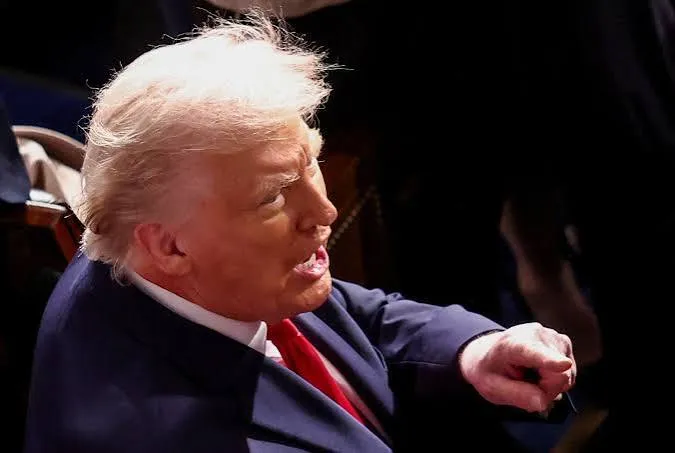
President Donald Trump faces persistent legal, political, and economic resistance regarding policy initiatives designed to aid U.S. consumers. Proposals targeting cost-of-living adjustments, trade measures, and regulatory easing encounter significant pushback from federal lawmakers, industry stakeholders, and advocacy groups. The friction highlights the structural challenges executive administrations face when attempting to unilaterally lower consumer costs or alter complex macroeconomic trends. Critics and market analysts point out that competing industry priorities and statutory limitations frequently stall implementation. While the administration emphasizes its commitment to easing financial burdens on American households, legislative hurdles and market inertia continue to complicate the durability and execution of these consumer-focused economic strategies across multiple sectors.
More context
Timeline
- On January 20, 2025, Donald Trump assumed the United States presidential office again.
- On February 10, 2025, administration officials announced new regulatory review procedures.
- On March 15, 2025, industry groups filed legal challenges against proposed trade measures.
- On April 22, 2025, congressional committees debated executive authority over consumer pricing adjustments.
- On May 18, 2025, economic advisors reported persistent inflation pressures in key sectors.
- On June 30, 2025, federal regulators delayed implementation of specific consumer protection rules.
- On July 14, 2025, business lobbying organizations increased pressure against proposed price caps.
- On August 25, 2025, legal analysts questioned the statutory framework of executive actions.
- On September 12, 2025, administration representatives defended economic policies during congressional hearings.
- On October 5, 2025, Washington Post published detailed reporting on policy resistance challenges.
Why it matters
Immediate US impact: Immediate consumer relief proposals face severe legislative and legal delays. Possible long-term US impact: Structural economic friction will limit executive effectiveness on consumer costs. Most affected groups: American consumers, federal lawmakers, and regulated commercial industries experience direct impacts. Reader priority: Readers should monitor primary legal filings and official congressional committee reports.
Coverage notes
Left: Administration policies fail due to poor planning and regulatory overreach. Center: Consumer policy proposals face standard legal and legislative institutional pushback. Right: Deep state actors and obstructionist lawmakers block necessary consumer relief.
Primary report
Washington Post published article detailing resistance to consumer proposals on date.
Sources
- The Washington Post
- Politico
- New York Times
- HuffPost
- The Atlantic
- The New Republic
- Associated Press
- Reuters
- The Wall Street Journal
- Bloomberg
- The Hill
- Axios
- Financial Times
- USA Today
- Forbes
- Time
- Newsweek
- Washington Post Live
- National Public Radio
- MarketWatch
- QZ
- Reuters Breakingviews
- Daily Wire
- Washington Times
- Daily Caller
- RedState
- CNS News
JQJO Editorial Desk · Human reviewed · AI assisted. Report a correction.