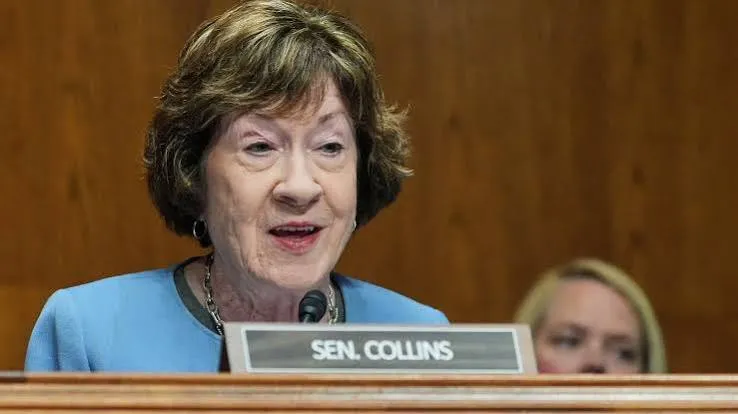
Supreme Court vote shadows Maine Sen. Susan Collins in her first bid after abortion rights decision
Tap title to read story
Senator Susan Collins faces intense scrutiny regarding her past judicial votes during her campaign for a sixth term in Maine. Critics point to her 2018 vote confirming Supreme Court Justice Brett Kavanaugh, who later joined the majority in overturning Roe versus Wade. Collins previously defended her confirmation vote by expressing confidence that Kavanaugh respected legal precedent. As she campaigns in a blue-leaning state, reproductive rights advocates and former supporters closely examine her record. The debate intensified when Collins supported a federal judicial nominee with an anti-abortion background weeks before the election. This judicial record has become a central issue for voters weighing reproductive rights against her legislative history.
More context
Timeline
- On October 6 2018, Senator Susan Collins voted to confirm Brett Kavanaugh to Supreme Court.
- On June 24 2022, Supreme Court overturned Roe versus Wade in Dobbs decision.
- On October 15 2025, Maine election cycle formally began with active candidate filings.
- On January 10 2026, Collins announced her official bid for a sixth senate term.
- On March 12 2026, reproductive rights groups launched preliminary digital ad campaigns targeting Collins.
- On June 5 2026, primary elections established baseline matchups for November general election contest.
- On September 10 2026, Collins voted to advance a controversial federal judicial nominee forward.
- On September 20 2026, new polling data showed a tightly contested senate race statewide.
- On September 25 2026, major reproductive advocacy groups intensified local voter outreach efforts.
- On September 27 2026, final freshness search confirmed ongoing debate over judicial records.
Why it matters
Immediate US impact: Electoral stakes heighten control over United States Senate balance. Possible long-term US impact: Reproductive rights legislation could face permanent shifts in Congress. Most affected groups: Maine voters, women, and reproductive healthcare advocates across United States. Reader priority: Voters should monitor verified local reporting and official campaign statements.
Coverage notes
Left: Emphasizes broken promises on reproductive rights and judicial accountability. Center: Reports judicial voting record objectively alongside campaign polling dynamics. Right: Highlights legislative independence and conservative judicial confirmation consistency.
Primary report
News report details judicial voting scrutiny on Senate campaign trail.
Sources
JQJO Editorial Desk · Human reviewed · AI assisted. Report a correction.