Anthropic investor Lonsdale says AI firms stoking fear to sway policy
Tap title to read story
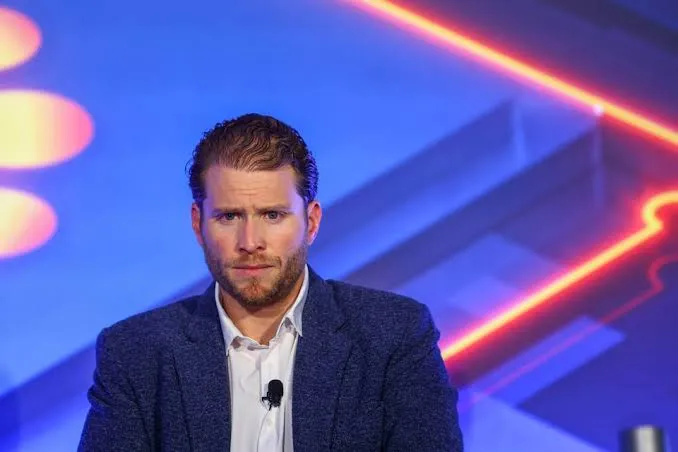
Palantir co-founder and venture capital investor Joe Lonsdale criticized leading artificial intelligence companies on Friday, arguing that warnings of existential risks from AI are used to shape public policy. Speaking at the Reuters Momentum AI Austin event, Lonsdale stated that efforts by executives at firms like Anthropic and OpenAI to fund outside groups advocating strict regulations could create a regulatory oligopoly that entrenches their market dominance. Anthropic CEO Dario Amodei, OpenAI CEO Sam Altman, and Elon Musk recently called for slowing the development pace of advanced models, warning that powerful systems could pose severe existential threats without proper safeguards. Lonsdale cautioned that while technological safety is legitimate, stoking fear to push specific regulations risks stifling competition and giving a small group of companies undue control over government policy and industry rules.
More context
Timeline
- On May 1, 2023, industry leaders testified before Congress regarding emerging artificial intelligence risks.
- On July 21, 2023, major artificial intelligence developers committed to voluntary federal safety standards.
- On October 30, 2023, the White House issued an executive order governing artificial intelligence safety.
- On November 1, 2023, the inaugural AI Safety Summit took place in Bletchley Park.
- On May 21, 2024, safety researchers warned about rapid capability advancements without adequate guardrails.
- On September 1, 2024, prominent executives urged caution regarding frontier artificial intelligence model development timelines.
- On September 26, 2026, Joe Lonsdale criticized industry safety warnings at a conference event.
- On September 26, 2026, media outlets reported remarks regarding regulatory capture and industry oligopoly.
- On September 27, 2026, technology analysts debated the balance between safety oversight and competition.
- Regulatory bodies will evaluate potential policy frameworks during upcoming legislative congressional sessions.
Why it matters
Immediate US impact: Tech policy debates intensify as regulatory capture concerns grow nationwide. Possible long-term US impact: Federal lawmakers may reevaluate competition impacts in future AI legislation. Most affected groups: Technology companies, venture capitalists, federal regulators, and software developers. Reader priority: Monitor independent technology policy analysis alongside direct corporate statements.
Coverage notes
Left: Emphasizes corporate accountability and necessary government oversight for public safety. Center: Reports stakeholder disputes neutrally without endorsing regulatory or market positions. Right: Focuses on free-market competition and dangers of excessive regulatory capture.
Primary report
Joe Lonsdale criticized artificial intelligence safety warnings at Austin event.
Sources
JQJO Editorial Desk · Human reviewed · AI assisted. Report a correction.