Merck, Daiichi pull US application for second partnered cancer therapy
Tap title to read story
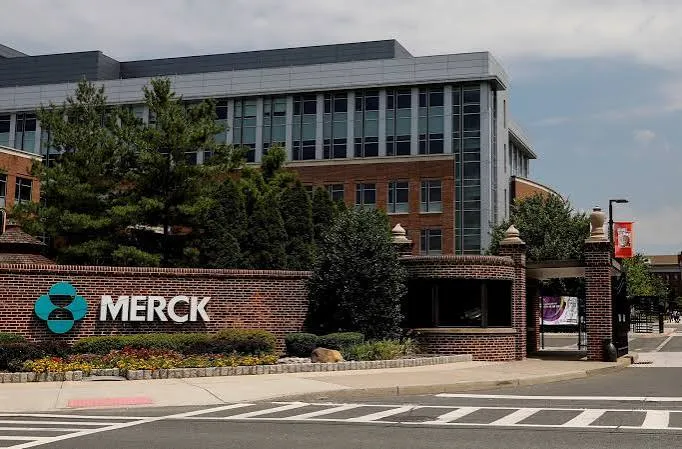
Merck and Daiichi Sankyo have withdrawn their United States regulatory application seeking accelerated approval for ifinatamab deruxtecan as a treatment for extensive-stage small cell lung cancer. The decision follows discussions with the Food and Drug Administration, which determined that data from a mid-stage clinical study did not meet requirements for an early green light. This therapy is the second candidate under the companies' twenty-two billion dollar partnership to face a U.S. application withdrawal, following the pull of patritumab deruxtecan last year. Ifinatamab deruxtecan belongs to a targeted class of antibody-drug conjugates designed to destroy tumor cells while sparing healthy tissue. Despite this regulatory setback, the pharmaceutical partners confirmed that patient enrollment is nearly complete for a larger, late-stage clinical trial comparing the therapy against standard chemotherapy. The companies intend to use data from this upcoming study to pursue future approvals from global health regulators for lung, prostate, and esophageal cancers.
More context
Timeline
- On July 12, 2023, Merck and Daiichi finalized their multibillion dollar cancer treatment partnership.
- On October 15, 2024, both companies withdrew applications for patritumab deruxtecan after trial failures.
- On September 26, 2026, companies announced the withdrawal of ifinatamab deruxtecan regulatory filing.
- On September 26, 2026, FDA discussions concluded mid-stage data lacked accelerated approval requirements.
- On September 26, 2026, developers confirmed patient enrollment nearly finished for late stage trials.
- On September 27, 2026, analysts evaluated impacts of successive partnership clinical setbacks.
- On October 1, 2026, ongoing trials continue evaluating therapy for prostate and esophageal cancers.
- On December 15, 2026, investigators anticipate completing current patient enrollment cohorts for advanced trials.
- On June 30, 2027, researchers expect final data readouts from definitive late stage studies.
- On December 31, 2027, companies plan submitting new applications based on upcoming trial results.
Why it matters
Immediate US impact: Delays advanced targeted oncology treatment availability for U.S. patients. Possible long-term US impact: Partnership restructuring could shift future biopharmaceutical investment valuations. Most affected groups: Lung cancer patients, oncologists, pharmaceutical investors, and regulatory bodies. Reader priority: Monitor official regulatory notices and corporate clinical trial disclosures closely.
Coverage notes
Left: Corporate healthcare partnerships require stricter regulatory oversight and data validation. Center: FDA discussions prompted regulatory withdrawal after insufficient mid stage data. Right: Market pressures impact pharmaceutical innovation timelines and corporate partnership strategies.
Primary report
Reuters published news regarding the withdrawal of the FDA application.
Sources
JQJO Editorial Desk · Human reviewed · AI assisted. Report a correction.