One Big Beautiful Bill Is Starting to Bite Before the Election
Tap title to read story
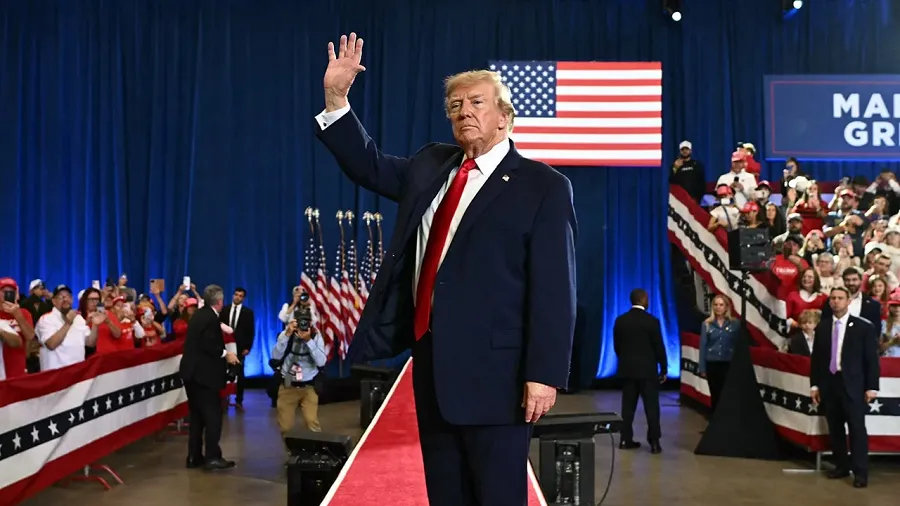
The One Big Beautiful Bill Act, President Trump's signature multi-trillion-dollar legislative package passed in mid-2025, is generating intense political and economic friction heading into the 2026 midterm elections. While Republicans structured their strategy around the law's extensive tax cuts and pro-growth economic provisions, the legislation also mandated deep spending cuts to offset its massive fiscal cost. To fund the package, the federal government scaled back support for major social safety net programs, including reductions and structural changes to Medicaid, healthcare subsidies, and the Supplemental Nutrition Assistance Program, alongside shifting financial burdens onto state governments. With voters prioritizing cost-of-living concerns, these real-world effects are creating a sharp political divide. Public reception depends heavily on whether individuals directly benefit from targeted tax provisions or experience service reductions. This dynamic puts Republican lawmakers on the defensive in competitive districts as election day approaches.
More context
Timeline
- On June 15 2025, President Trump signed the multi-trillion-dollar legislative package into law.
- On July 1 2025, initial federal spending cuts took effect across targeted agencies.
- On August 15 2025, state governments began restructuring local Medicaid and safety net administration.
- On November 10 2025, early economic reports indicated falling enrollment numbers across federal programs.
- On January 10 2026, legislative sessions opened with intense partisan debate over fiscal policy.
- On February 20 2026, initial polling showed deepening voter division regarding household cost impacts.
- On April 5 2026, congressional campaign committees ramped up messaging on affordability and taxes.
- On June 1 2026, state election officials finalized primary ballot measures and candidate eligibility rosters.
- On August 15 2026, primary election results highlighted vulnerability for incumbents in competitive districts.
- On September 20 2026, national parties intensified advertising campaigns focusing on economic safety nets.
- Coming months will feature heightened legislative clashes and intensified voter turnout mobilization efforts nationwide.
Why it matters
Immediate US impact: Increased voter scrutiny on household costs and safety net access. Possible long-term US impact: Lasting structural changes to federal entitlement and state funding models. Most affected groups: Low-income families relying on federal nutritional and healthcare assistance programs. Reader priority: Objective analyses of legislative provisions alongside official voting registration updates.
Coverage notes
Left: Framing emphasizes safety net cuts harming vulnerable working-class families. Center: Framing focuses neutrally on political friction between tax cuts and spending. Right: Framing highlights pro-growth tax cuts driving economic expansion and relief.
Primary report
President Trump signed the multi-trillion-dollar legislative package into law.
Sources
- Politico
- Washington Post
- New York Times
- San Francisco Chronicle
- Oregonian
- Sacramento Bee
- Providence Journal
- Associated Press
- Reuters
- The Hill
- Wall Street Journal
- Bloomberg
- Axios
- USA Today
- Forbes
- Chicago Tribune
- Dallas Morning News
- Miami Herald
- Houston Chronicle
- Arizona Republic
- Seattle Times
- Star Tribune
- Cleveland Plain Dealer
- Milwaukee Journal Sentinel
- Charlotte Observer
- Kansas City Star
- St Louis Post Dispatch
- Pittsburgh Post Gazette
- Orlando Sentinel
- Austin American Statesman
- Columbus Dispatch
- Omaha World Herald
- Des Moines Register
- Louisville Courier Journal
- Hartford Courant
- Washington Times
- Daily Caller
- Detroit News
- Indianapolis Star
- Las Vegas Review Journal
- Richmond Times Dispatch
- congress.gov
JQJO Editorial Desk · Human reviewed · AI assisted. Report a correction.