Grail’s cancer blood test faces high-stakes FDA review
Tap title to read story
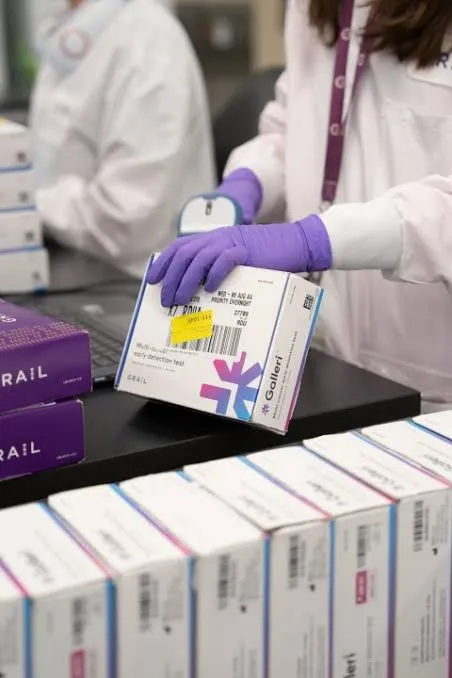
Grail Incorporated faces a crucial regulatory milestone as an advisory panel for the Food and Drug Administration reviews its Galleri multi-cancer early detection blood test. The test searches for tumor-derived DNA fragments in the bloodstream to identify various cancer types from a single draw, departing from traditional single-cancer screenings like mammograms. Designed for individuals aged fifty and older, the panel evaluates whether the test's benefits outweigh risks such as false alarms or missed early-stage malignancies. Although regulatory staff raised no major safety concerns, they urged discussion on whether sufficient early-stage detection is achieved. Currently available as a laboratory-developed test costing over seven hundred dollars out of pocket, official federal approval could unlock vital reimbursement coverage from Medicare and private insurance providers, significantly expanding market availability across the United States.
More context
Timeline
- On 2020-09-14 Grail Incorporated launched commercial availability of the Galleri test.
- On 2021-06-01 Clinical validation studies began evaluating multi-cancer detection performance.
- On 2023-03-15 Health officials tracked increasing consumer uptake of laboratory-developed tests.
- On 2024-05-10 Researchers published additional trial data regarding circulating tumor DNA.
- On 2025-01-20 Federal regulators scheduled expert advisory committee meetings for review.
- On 2026-06-15 Preliminary briefing documents were posted ahead of the advisory meeting.
- On 2026-09-23 Food and Drug Administration advisory panel convened to review data.
- On 2026-09-24 Advisory panel members concluded discussions regarding proposed clinical benefits.
- On September 25 2026 Regulators evaluate committee feedback for upcoming official determination.
- On January 15 2027 Industry analysts anticipate potential reimbursement policy updates following decisions.
Why it matters
Immediate US impact: Federal panel guidance influences future multi-cancer screening insurance coverage. Possible long-term US impact: Broadened insurance reimbursement could expand nationwide preventative oncology screening. Most affected groups: Older adults, oncologists, diagnostic laboratories, and insurance providers. Reader priority: Official Food and Drug Administration regulatory announcements and clinical trial data.
Coverage notes
Left: Highlighted healthcare equity concerns and insurance coverage gaps for patients. Center: Emphasized objective regulatory procedures, clinical data, and panel evaluation metrics. Right: Focused on commercial market access, innovation incentives, and regulatory efficiency.
Primary report
Associated Press published initial reporting on federal regulatory review.
Sources
- New York Times
- San Francisco Chronicle
- Associated Press
- Reuters
- Wall Street Journal
- Bloomberg News
- NPR
- Washington Post
- USA Today
- Politico
- Axios
- Time
- Fierce Biotech
- The Hill
- The Atlantic
- MarketWatch
- TheStreet
- MassDevice
- Medical Device and Diagnostic Industry
- Managed Healthcare Executive
- Health Payer Intelligence
- Modern Healthcare
- Becker's Hospital Review
- American Medical News
- Oncology Times
- The ASCO Post
- Physicians Weekly
- The Lancet Oncology
- New England Journal of Medicine Catalyst
- Science Translational Medicine
- Engadget
- Seattle Times
- Chicago Tribune
- Miami Herald
- The Dallas Morning News
- Houston Chronicle
- The Arizona Republic
- The Oregonian
- Forbes
- National Review
JQJO Editorial Desk · Human reviewed · AI assisted. Report a correction.