A Chicago historian brings us more discoveries about Graceland Cemetery
Tap title to read story
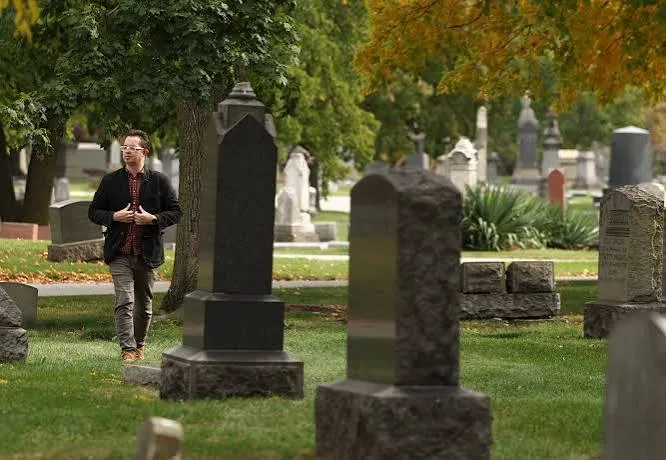
Chicago historian has uncovered new archival discoveries regarding the historic Graceland Cemetery, shedding light on the design and evolution of the 119-acre site. Established in 1860 by attorney Thomas B. Bryan to alleviate urban burial overcrowding, the picturesque landscape was shaped by notable architects including H.W.S. Cleveland, William Le Baron Jenney, and Ossian Cole Simonds. Often designated as the Cemetery of Architects, the grounds feature notable monuments and final resting places for influential figures, business moguls, and master designers such as Louis Sullivan, Daniel Burnham, and Lorado Taft. Recent historical research provides deeper context into the collaborative efforts that transformed the rural cemetery into a foundational masterpiece of landscape architecture and Midwestern Prairie style design. Ongoing scholarly examinations continue to highlight its enduring significance to American urban history, architectural heritage, and historic preservation efforts across the greater Chicago metropolitan region today.
More context
Timeline
- 1860 — On 1860 attorney Thomas B. Bryan established the Graceland Cemetery grounds.
- 1880 — On 1880 landscape designers shaped rolling hills and naturalistic lakes.
- 1890 — On 1890 architects designed prominent historical monuments and grand family tombs.
- 1900 — On 1900 Ossian Cole Simonds implemented native prairie style plantings extensively.
- 1920 — On 1920 memorial sculptures like Eternal Silence were placed on site.
- 1970 — On 1970 historic preservation discussions began surrounding significant architectural structures.
- 2020 — On 2020 historians initiated fresh archival research into original expense records.
- 2024 — On 2024 researchers uncovered new documentation regarding early landscape design choices.
- On 2026 a Chicago historian published new discoveries about cemetery planning.
- On 2026 scholars continue analyzing historical records for upcoming preservation projects.
Why it matters
Immediate US impact: Local historic preservation efforts receive renewed educational public awareness. Possible long-term US impact: Long-term heritage tourism and architectural preservation funding will increase. Most affected groups: Chicago historians, architecture enthusiasts, and local preservation societies are affected. Reader priority: Readers should prioritize local historical societies and architecture archives.
Coverage notes
Left: Focuses on social context, cultural preservation, and public access. Center: Neutral reporting focused on historical facts and architectural significance. Right: Emphasizes the industrial heritage and traditional craftsmanship of Gilded Age figures.
Primary report
Chicago historian published new discoveries about Graceland Cemetery history.
Sources
- San Francisco Chronicle
- The Oregonian
- Chicago Tribune
- WTTW News
- The Architect's Newspaper
- Curbed Chicago
- Midwest Living
- Smithsonian Magazine
- Bloomberg CityLab
- Atlas Obscura
- Crain's Chicago Business
- The New York Times
- The Washington Post
- Chicago Magazine
- NPR News
- Associated Press
- Reuters
- Seattle Times
- Miami Herald
- Dallas Morning News
- Houston Chronicle
- Cleveland Plain Dealer
- Detroit Free Press
- Star Tribune
- The Arizona Republic
- St. Louis Post-Dispatch
- Baltimore Sun
- The Indianapolis Star
- Milwaukee Journal Sentinel
- The Columbus Dispatch
- The Kansas City Star
- Omaha World-Herald
- The Des Moines Register
- Salt Lake Tribune
- Wall Street Journal
- Las Vegas Review-Journal
JQJO Editorial Desk · Human reviewed · AI assisted. Report a correction.