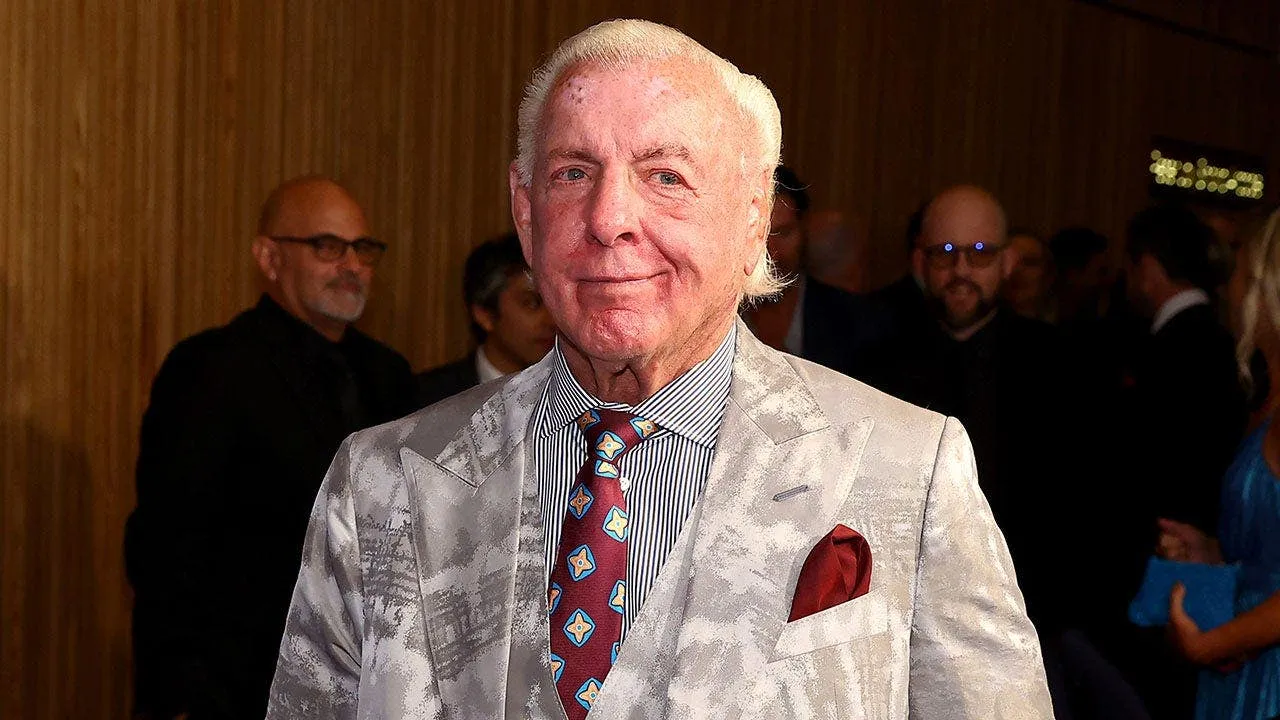
A celebrity-endorsed cryptocurrency is almost five times as likely to be a scam
Tap title to read story
Federal authorities and market researchers warn that digital assets promoted by famous public figures face an exponentially higher risk of fraudulent activity than standard tokens. Investigations reveal that celebrity-associated cryptocurrencies are nearly five times more likely to involve deceptive schemes, including coordinated pump-and-dump operations, unauthorized deepfake impersonations, and undisclosed promotional compensation. Regulatory bodies, including the Securities and Exchange Commission, have increasingly targeted high-profile individuals for touting digital tokens without disclosing financial incentives, misleading everyday retail investors. Scammers frequently exploit parasocial trust, utilizing artificial urgency, guaranteed returns, and synthetic media to manufacture artificial demand before liquidating holdings for personal gain. Industry experts advise consumers to separate cultural fame from token utility, emphasizing rigorous due diligence, verifying independent technical audits, and treating unsupported social media promotions with extreme skepticism to prevent substantial financial loss across digital asset markets.
More context
Timeline
- On March 22 2022 Federal regulators charged celebrities over undisclosed cryptocurrency promotional activities.
- On October 3 2022 Kim Kardashian settled SEC charges regarding promotional tokens.
- On February 17 2023 Floyd Mayweather faced civil charges over digital asset promotions.
- On January 12 2024 Financial watchdogs issued warnings regarding artificial intelligence deepfake scams.
- On November 14 2024 Market researchers published data regarding celebrity endorsement risk profiles.
- On May 8 2025 Enforcement agencies increased scrutiny on influencer-led token liquidations.
- On September 10 2025 Regulatory guidelines for digital asset promotions underwent formal federal review.
- On January 14 2026 Consumer protection agencies launched public awareness campaigns against digital fraud.
- On June 20 2026 Investigators tracked new waves of AI-driven celebrity cryptocurrency scams.
- On September 23 2026 Analysts reported ongoing market vulnerabilities tied to celebrity token promotions.
- Regulatory authorities will likely expand enforcement actions against undisclosed digital asset promotions.
- Federal oversight frameworks may introduce stricter compliance standards for influencer marketing.
Why it matters
Immediate US impact: Federal regulators face heightened pressure to protect retail digital investors. Possible long-term US impact: Stricter compliance standards will govern influencer digital asset promotional campaigns. Most affected groups: Retail investors, crypto traders, financial consumers, and regulatory enforcement agencies. Reader priority: Prioritize verified official regulatory releases over social media promotional claims.
Coverage notes
Left: Evidence was insufficient. Center: Neutral reporting emphasizes empirical research and regulatory compliance measures. Right: Evidence was insufficient.
Primary report
Market research publication highlighting celebrity cryptocurrency fraud risks on November 14 2024.
Sources
- Reuters
- Associated Press
- Bloomberg
- Wall Street Journal
- Financial Times
- Forbes
- Bloomberg Law
- Axios
- MarketWatch
- NBC News
- New York Times
- Washington Post
- USA Today
- Morningstar
- Politico
- The Hill
- Reuters Business
- Bloomberg Technology
- San Francisco Chronicle
- Chicago Tribune
- Dallas Morning News
- Miami Herald
- Seattle Times
- Detroit Free Press
- Cleveland.com
- Star Tribune
- Arizona Republic
- Sacramento Bee
- Orlando Sentinel
- The Oregonian
- St. Louis Post-Dispatch
- coindesk.com
JQJO Editorial Desk · Human reviewed · AI assisted. Report a correction.