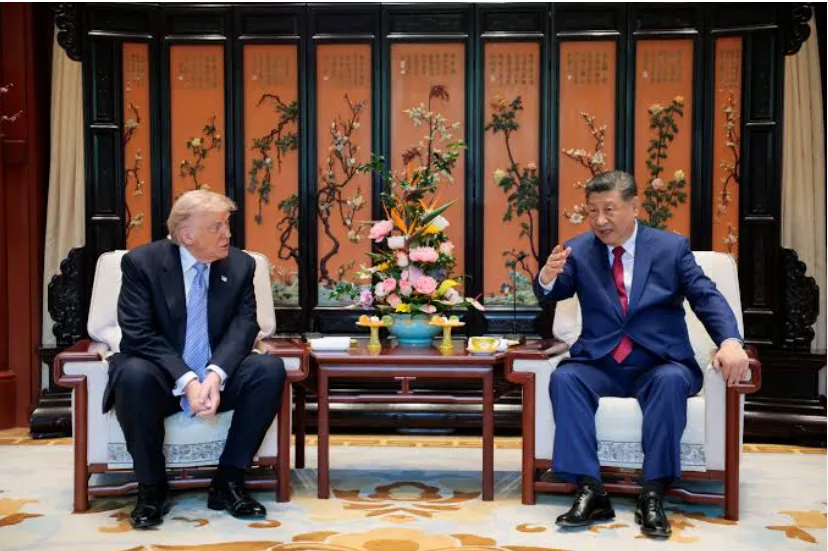
Xi expected to press Trump to halt Taiwan arms sales under 1982 agreement
Tap title to read story
Chinese President Xi Jinping is expected to press U.S. President Donald Trump to halt American arms sales to Taiwan by invoking the 1982 U.S.-China joint communiqué. According to diplomatic sources, the high-stakes confrontation centers on a disputed fourteen billion dollar U.S. military package intended to bolster the self-governed island's defensive capabilities with advanced missiles and air-defense systems. Beijing claims sovereignty over Taiwan and views the military transactions as a direct violation of its core national interests, demanding a complete cessation of security ties. Meanwhile, the Trump administration has previously held the delivery in abeyance, characterizing the transaction as a strategic negotiating chip in broader bilateral discussions. International policy analysts warn that leveraging defensive arms sales as a bargaining tool risks destabilizing the region and altering long-standing American commitments. As preparations continue for the upcoming Washington summit, the outcome of the debate carries profound implications for global stability and deterrence across the Taiwan Strait.
More context
Timeline
- On August 17, 1982, Washington and Beijing signed a joint communiqué concerning arms.
- On December 12, 2025, the U.S. announced a major weapons package for Taiwan.
- On February 5, 2026, Chinese President Xi Jinping warned Trump regarding Taiwan arms.
- On May 14, 2026, Xi warned of potential conflicts with the U.S. over Taiwan.
- On May 22, 2026, officials confirmed some foreign military sales faced temporary delays.
- On August 20, 2026, Taiwan proposed a record defense budget for the coming year.
- On September 21, 2026, reports indicated Xi plans to press Trump on arms.
- On September 22, 2026, diplomatic sources confirmed upcoming summit pressures regarding Taiwan transactions.
- On September 22, 2026, officials in Washington prepared for bilateral talks amid heightened regional tensions.
- On September 22, 2026, markets monitored potential economic consequences surrounding upcoming superpower negotiations.
- During coming months, diplomatic negotiations will determine the status of pending arms packages.
Why it matters
Immediate US impact: Immediate U.S. impact involves heightened diplomatic tension ahead of presidential summits. Possible long-term US impact: Long-term U.S. impact alters deterrence frameworks and regional alliance credibility across Asia. Most affected groups: Most affected groups include defense contractors, federal policymakers, regional security analysts, and Taiwanese citizens. Reader Priorities: Readers should prioritize wire services, official readouts, and verified geopolitical reporting across platforms.
Coverage notes
Left: Left outlets frame the policy as endangering democratic alliances. Center: Center outlets report diplomatic tensions and strategic trade negotiations objectively. Right: Right outlets emphasize presidential leverage and national security prioritization.
Primary report
Reuters published exclusive reporting on September 22, 2026, at 8:05 AM GMT regarding Xi's pressure.
Sources
- The Guardian
- Washington Post
- Reuters
- The Times of India
- Associated Press
- PBS NewsHour
- Council on Foreign Relations
- Japan Times
- Global Banking and Finance Review
- Straits Times
- Bloomberg
- State Department Historical Office
- American Institute in Taiwan
- World Japan Database
- Street Insider
- Focus Taiwan
- Taipei Times
- Politico
- The Hill
- Foreign Affairs
- NPR
- Axios
- ANI News
- White House Press Office
- Wall Street Journal
JQJO Editorial Desk · Human reviewed · AI assisted. Report a correction.