In UN farewell, Macron denounces Trump's Gaza diplomacy as spectacle of shame
Tap title to read story
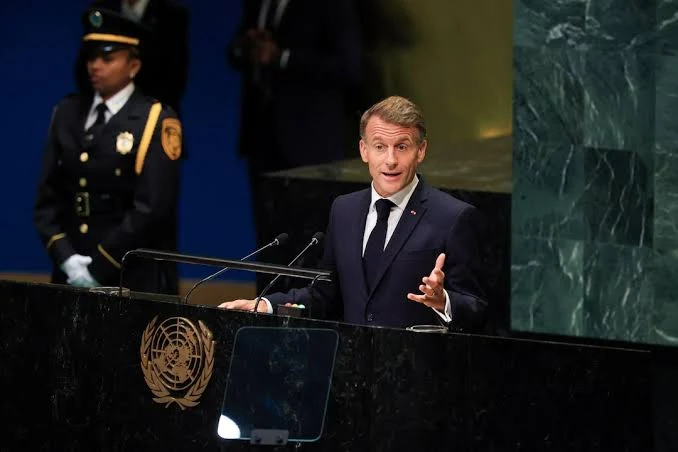
French President Emmanuel Macron delivered a sharp critique of United States foreign policy under Donald Trump during his final address to the United Nations General Assembly. Macron denounced Washington's approach to the Gaza conflict as a spectacle of shame, warning that empty diplomatic theater replaces meaningful resolution and intensifies civilian suffering. Making his final appearance before France's upcoming presidential election, Macron defended multilateralism and warned against a global slide toward the law of the jungle. His remarks highlight persistent transatlantic friction over Middle East strategy and growing European frustration regarding unheeded cease-fire efforts. Macron concluded by urging nations to support the United Nations and reject an emerging order of impunity. The address underscores deep divisions among Western allies regarding international governance, conflict resolution, and the humanitarian crisis in Gaza. Observers note that Macron's parting statements serve to cement his legacy as an advocate for rules-based international diplomacy despite tangible strategic divides.
More context
Timeline
- On May 14, 2017, Emmanuel Macron assumed office as the French President.
- On January 20, 2025, Donald Trump inaugurated his second presidential term.
- On September 22, 2026, Macron delivered his final UN General Assembly speech.
- On September 22, 2026, Macron condemned Trump administration Gaza diplomacy as shameful.
- On September 22, 2026, Macron defended international multilateralism against rising global lawlessness.
- On September 22, 2026, French officials highlighted transatlantic friction over Middle East strategy.
- On September 23, 2026, international analysts debated the long diplomatic legacy of Macron.
- On coming months, European nations evaluate independent Middle East diplomatic strategies.
- On upcoming French elections, voters determine successor leadership for foreign policy.
- On future UN sessions, member states navigate shifting transatlantic policy alignments.
Why it matters
Immediate US impact: Immediate US impact involves diplomatic tension over Middle East policy frameworks. Possible long-term US impact: Long-term US impact includes strains on transatlantic alliances and multilateral cooperation. Most affected groups: Most affected groups include diplomats, international policymakers, European leaders, and regional stakeholders. Reader priority: Readers should prioritize verified UN transcripts, wire reports, and official statements.
Coverage notes
Left: Highlighting European defense of international law and multilateral institutional norms. Center: Reporting diplomatic friction neutrally without taking sides in transatlantic disputes. Right: Emphasizing foreign criticism of American leadership and defending national sovereignty principles.
Primary report
French President Emmanuel Macron delivered a farewell address criticizing Washington.
Sources
JQJO Editorial Desk · Human reviewed · AI assisted. Report a correction.