BMW CEO sees risk of cheap Chinese cars in Europe but opposes tariffs
Tap title to read story
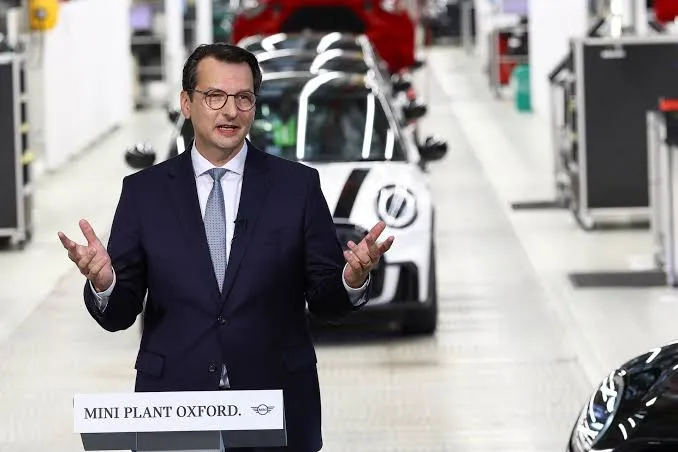
BMW Chief Executive Officer Oliver Zipse has publicly opposed European Union plans for punitive import tariffs on Chinese electric vehicles. While acknowledging the intense competitive pressure affordable Chinese models introduce to the European market, Zipse warned that protectionist trade barriers risk triggering damaging retaliatory measures from Beijing against European automakers operating in China. Furthermore, because BMW manufactures specific models such as electric Minis within Chinese plants for export into Europe, broad tariffs would directly penalize the company's established supply chains. Instead of market isolation through tariffs, BMW advocates for fostering long-term automotive competitiveness via open market conditions, bilateral diplomatic negotiations, and reductions in internal European regulatory and compliance burdens. The debate highlights growing divisions within Western automotive industries regarding how to counter rapidly expanding Chinese manufacturing capabilities without disrupting global supply networks or risking foreign market access.
More context
Timeline
- On March 1, 2023, European automakers evaluated emerging Chinese market competition challenges.
- On September 10, 2023, European regulators scrutinized Chinese electric vehicle subsidies.
- On October 4, 2023, the European Commission initiated formal anti-subsidy investigations.
- On November 15, 2023, BMW executives expressed concerns regarding proposed trade barriers.
- On July 4, 2024, provisional EU duties on Chinese EVs took effect.
- On August 20, 2024, revised tariff rates were adjusted following consultations.
- On October 4, 2024, EU member states voted on definitive tariff measures.
- On November 1, 2024, BMW reiterated opposition to protectionist import tariffs.
- On January 15, 2025, trade discussions between Brussels and Beijing continued actively.
- On March 1, 2026, industry analysts assessed ongoing automotive supply chain impacts.
Why it matters
Immediate US impact: US automotive markets monitor tariff impacts on global supply chains. Possible long-term US impact: Global trade policies may shift supply chain strategies across nations. Most affected groups: European automakers, Chinese manufacturers, global supply chain workers, investors. Reader priority: Prioritize verified financial reports and official trade policy announcements.
Coverage notes
Left: Highlighted corporate profit protection over domestic industrial workforce defense. Center: Balanced competitive threat acknowledgment against international trade retaliation risks. Right: Emphasized free market principles and regulatory burden reduction needs.
Primary report
BMW CEO Oliver Zipse opposed tariffs during business conference.
Sources
JQJO Editorial Desk · Human reviewed · AI assisted. Report a correction.