OpenAI calls for US to take lead in global efforts to develop technical standards
Tap title to read story
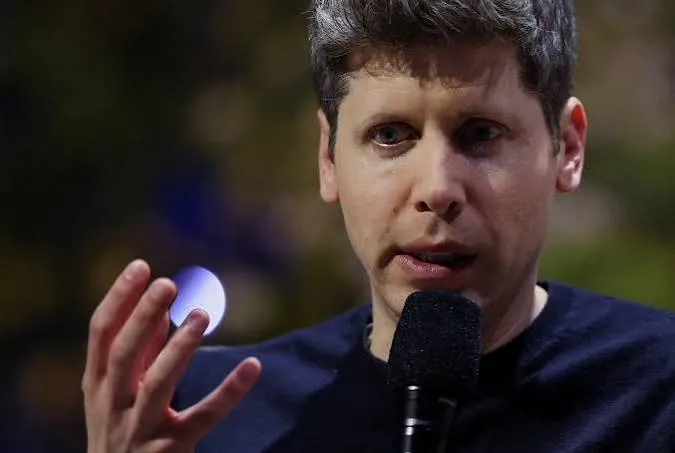
Artificial intelligence developer OpenAI urged the United States government to lead international efforts in establishing global technical standards for frontier artificial intelligence systems. Published during the United Nations General Assembly in New York, the blog post emphasizes the necessity of shared measurement protocols and incident reporting frameworks. OpenAI highlighted risks associated with recursive self-improvement, where advanced models enhance their operational capabilities autonomously without human intervention. Industry leaders advocate for strategic pacing to ensure that alignment research outpaces raw capability deployment. Meanwhile, the Trump administration has resisted calls for mandatory development slowdowns, expressing concern that any artificial pause might advantage geopolitical competitors like China. President Donald Trump noted that existing domestic guardrails are sufficient to manage technological risks safely. OpenAI Chief Executive Officer Sam Altman is scheduled to brief the United Nations Security Council to discuss international security implications surrounding advanced machine learning technologies.
More context
Timeline
- On November 1, 2023, global leaders attended the inaugural AI Safety Summit held in Bletchley Park.
- On July 15, 2024, regulatory authorities announced new oversight frameworks for advanced machine learning models.
- On January 20, 2025, the new presidential administration assumed office in Washington, D.C.
- On September 1, 2026, administration officials discussed national security priorities regarding emerging technologies.
- On September 15, 2026, Sam Altman spoke at the Dreamforce summit in San Francisco.
- On September 21, 2026, OpenAI published a blog post advocating for international standards.
- On September 22, 2026, United Nations discussions commenced regarding global technology governance.
- On September 23, 2026, Sam Altman will brief the United Nations Security Council.
- On September 25, 2026, bilateral discussions are scheduled between United States and Chinese leaders.
- On December 31, 2026, international committees expect to release preliminary technical standard recommendations.
Why it matters
Immediate US impact: Immediate US impact involves intensified policy debates surrounding federal regulation speed. Possible long-term US impact: Long-term US impact shapes international regulatory frameworks and competitive advantage. Most affected groups: Most affected groups include artificial intelligence developers, federal regulators, and national security agencies. Reader priority: Readers should prioritize official government releases and direct corporate announcements.
Coverage notes
Left: Emphasizes regulatory caution, international cooperation, and systemic safety risks. Center: Focuses on geopolitical competition, policy divergence, and official statements objectively. Right: Emphasizes national security priorities and maintaining competitive advantage against adversaries.
Primary report
OpenAI published blog post urging US leadership on standards on September 21, 2026.
Sources
- New York Times
- Washington Post
- San Francisco Chronicle
- Time
- NPR
- The Independent
- Gizmodo
- Reuters
- Associated Press
- Bloomberg
- Wall Street Journal
- Financial Times
- Politico
- Axios
- Forbes
- USA Today
- The Hill
- NBC News
- Inc.
- Fast Company
- VentureBeat
- PCMag
- Engadget
- Bloomberg Law
- Reuters Legal
- Quartz
- Axios Pro Rata
- PitchBook News
- Puck News
- Daily Mail
- The Washington Times
- The Daily Caller
- Newsmax
- openai.com
JQJO Editorial Desk · Human reviewed · AI assisted. Report a correction.