Record diesel prices are exposing pain points in the stock market and economy
Tap title to read story
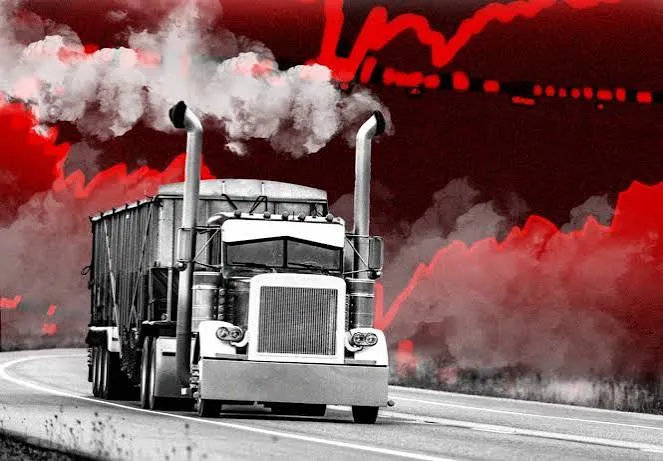
Record high diesel prices exceeding six dollars per gallon across the United States have intensified economic pressure on transportation and supply chains. Unlike consumer gasoline, diesel powers commercial freight shipping, heavy trucking, agriculture, and construction. Logistics companies and retailers have implemented steep fuel surcharges that cascade into higher everyday consumer prices, particularly affecting grocery and retail sectors. Analysts attribute the surge to physical refining bottlenecks, inventory shortages, and geopolitical conflicts rather than financial speculation alone. Households dependent on heating oil also face elevated utility costs heading into the winter season. The sustained energy strain raises broader macroeconomic concerns regarding persistent inflation and sluggish economic growth. Policymakers face mounting pressure to evaluate short term interventions, though industry groups warn that heavy handed regulatory restrictions could risk disrupting global refining ecosystems.
More context
Timeline
- On May 2022, national average US diesel prices surpassed five dollars.
- On June 2022, commercial diesel prices reached previous historic record highs.
- On January 2024, refining capacity constraints tightened distillate fuel inventories nationwide.
- On June 2025, geopolitical tensions disrupted international crude oil trade channels.
- On March 2026, retail diesel prices crossed six dollars per gallon.
- On June 15, 2026, logistics providers announced nationwide shipping fuel surcharges.
- On July 10, 2026, agricultural sectors reported rising equipment fuel operating expenses.
- On August 12, 2026, retail grocery inflation reflected compounding transportation cost increases.
- On September 5, 2026, federal policymakers debated potential short term fuel export restrictions.
- On September 21, 2026, analysts warned households regarding surging winter heating costs.
Why it matters
Immediate US impact: Transportation costs surge immediately across national supply chains and retail markets. Possible long-term US impact: Persistent structural inflation forces tighter monetary policies and slows economic growth. Most affected groups: Trucking companies, agricultural producers, logistics providers, and retail consumers. Reader priority: Track diesel commodity benchmarks, logistics earnings reports, and federal energy policies.
Coverage notes
Left: Highlight government policy failures and corporate price gouging impacts. Center: Focus on objective market data, refining constraints, and inflation metrics. Right: Emphasize regulatory burdens, tax pressures, and domestic energy production limits.
Primary report
Bank of America analyst report highlighted diesel real economy pressure points.
Sources
- New York Times
- Washington Post
- NPR
- The Atlantic
- Reuters
- Bloomberg
- Associated Press
- Wall Street Journal
- Financial Times
- MarketWatch
- Politico
- USA Today
- Barron's
- The Hill
- Bloomberg Law
- S&P Global
- Argus Media
- Reuters Energy
- Quartz
- Inc.
- The Economist
- Goldman Sachs Economics
- Morgan Stanley Research
- The Street
- Seeking Alpha
- Benzinga
- Forbes
- The Wall Street Journal Opinion
- The Washington Times
- Daily Wire
- Cato Institute
- reuters.com
JQJO Editorial Desk · Human reviewed · AI assisted. Report a correction.