National Weather Service Maps Out Sharp Late-September Cold Air Influx Across US States
Tap title to read story
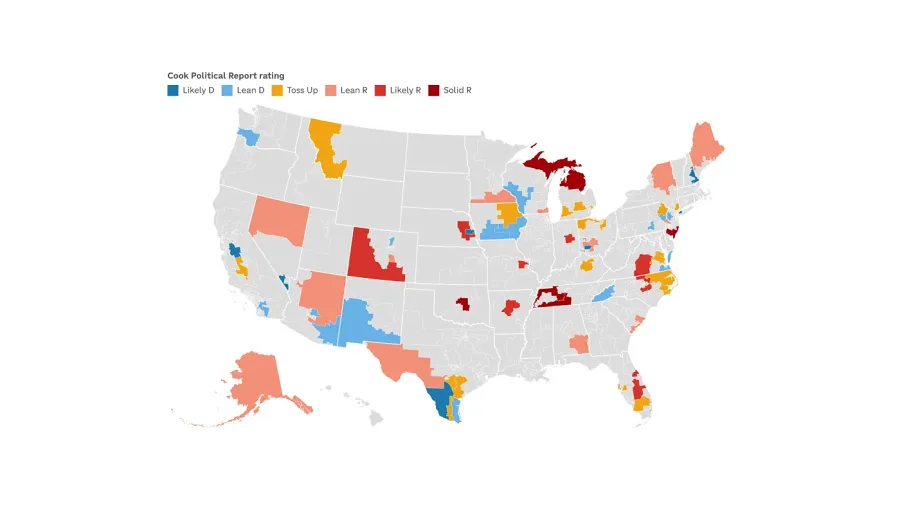
The National Weather Service has released tracking data and modeling maps indicating a sharp shift toward unseasonably cold weather sweeping across multiple United States regions as late September approaches. Meteorological indicators reveal that a robust cold front is descending from northern latitudes, threatening to displace lingering summer heat domes across the Plains and Midwest. State-by-state forecasting projections show abrupt temperature drops that could challenge early autumn agricultural yields and spike regional energy demand. Emergency management agencies are reviewing localized impact reports as sudden thermal transitions heighten risks for frost and localized infrastructure strain. Climatologists note that the rapid shift underscores an increasingly volatile transition pattern between extreme seasonal extremes nationwide. Forecasters emphasize that local communities should monitor regional updates as the front progresses southward.
More context
Timeline
- On September 20, 2026, National Weather Service released tracking data and modeling maps.
- On September 20, 2026, forecasters tracked robust cold front descending from northern latitudes.
- On September 20, 2026, state-by-state forecasting projections showed abrupt temperature drops.
- On September 20, 2026, emergency management agencies reviewed localized impact reports closely.
- On September 20, 2026, climatologists noted volatile transition patterns between seasonal extremes.
- On September 20, 2026, officials advised communities to monitor incoming regional updates.
- On September 20, 2026, agricultural sectors braced for sudden early autumn frosts.
- On September 20, 2026, energy providers evaluated spikes in regional heating demand.
- On September 20, 2026, meteorologists analyzed temperature anomalies across the northern Plains.
- On September 20, 2026, tracking models confirmed southward progression of cold air.
Why it matters
Immediate US impact: Abrupt temperature drops spike regional energy demands across states. Possible long-term US impact: Prolonged cold fronts could permanently alter autumn agricultural yields. Most affected groups: Farmers, energy providers, emergency managers, and general U.S. residents. Reader priority: Prioritize official National Weather Service updates over social media.
Coverage notes
Left: Highlights climate volatility and risks to vulnerable urban populations. Center: Focuses strictly on meteorological tracking data and official forecasts. Right: Emphasizes potential impacts on energy markets and agricultural production.
Primary report
National Weather Service released cold weather mapping data on September 20.
Sources
JQJO Editorial Desk · Human reviewed · AI assisted. Report a correction.