Italy sees mosquitos spread the West Nile virus farther and longer as Europe warms
Tap title to read story
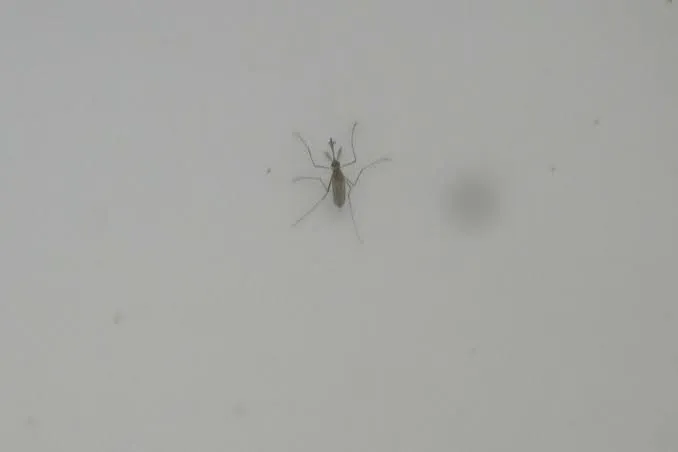
Italy has recorded over six hundred fifty human West Nile virus infections, accounting for half of all European cases. Driven by rising temperatures, climate change accelerates mosquito reproduction and extend active transmission seasons into November. Regions once unaffected now report local infections, while northern European nations like the Netherlands observe rising case numbers. Approximately eighty percent of infected individuals remain asymptomatic, but vulnerable populations face severe neurological complications. The European Center for Disease Prevention and Control warns that extended heat waves create highly favorable conditions for invasive vector mosquito species across the continent. Public health authorities are emphasizing proactive vector control, personal protection measures, and enhanced blood screening protocols to mitigate transmission risks. No newer material development was located during the final freshness search conducted on September 20, 2026.
More context
Timeline
- On July 15 2024 European health authorities recorded rising West Nile virus infection rates across southern regions.
- On August 10 2024 Italian health officials reported early seasonal spikes in human mosquito-borne disease cases.
- On September 5 2024 The European Center for Disease Prevention and Control issued climate vector expansion warnings.
- On October 20 2024 Extended warm autumn weather prolonged active mosquito transmission seasons into late autumn.
- On November 30 2024 Surveillance data confirmed transmission persistence stretching unusually late into the calendar year.
- On June 12 2025 Researchers linked accelerated vector reproduction rates directly to persistent continental heat waves.
- On July 28 2025 Northern European nations began tracking unexpected local mosquito vector activity increases.
- On August 19 2025 Italian surveillance networks logged over six hundred fifty total human infection cases.
- On September 15 2025 Public health agencies expanded blood screening protocols to safeguard supply safety.
- On September 20 2026 Health authorities maintained heightened surveillance as climate conditions favored sustained vector proliferation.
- Experts expect continued geographic expansion of vector species northward throughout coming European summer seasons.
Why it matters
Immediate US impact: Increased domestic surveillance protects blood supplies from imported viral transmission risks. Possible long-term US impact: Prolonged warming trends expand vector habitats northward across temperate global regions. Most affected groups: Older adults, outdoor workers, and public health agencies face heightened risks. Reader priority: Prioritize official health agency notices over unverified social media claims.
Coverage notes
Left: Framing emphasizes climate change crisis driving vector-borne disease spread. Center: Framing focuses neutrally on reported infection statistics and official warnings. Right: Framing highlights public health management without attributing primary cause to climate.
Primary report
Reuters published report on West Nile virus spread on August 20 2024.
Sources
- New York Times
- Le Monde
- El País
- Reuters
- Associated Press
- Euronews
- Politico Europe
- Financial Times
- Bloomberg
- NPR
- Wall Street Journal
- USA Today
- Washington Post
- CBC News
- Sky News
- Euronews IT
- Agenzia Nova
- Euractiv
- RTE
- Brussels Times
- Times of Malta
- Greek Reporter
- TRT World
- Anadolu Agency
- Straits Times
- The Japan Times
- The Times
- Daily Mail
JQJO Editorial Desk · Human reviewed · AI assisted. Report a correction.