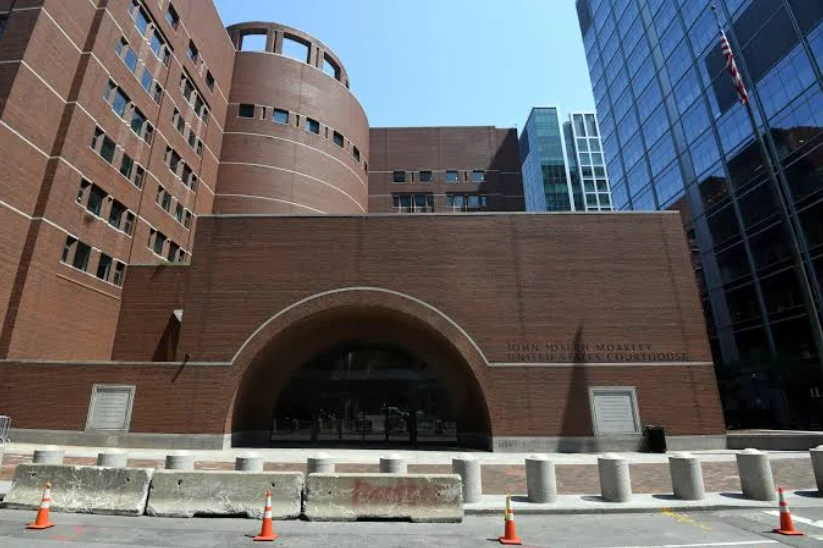
US appeals court rejects Trump policy allowing swift deportations to third countries
Tap title to read story
A United States federal appeals court on Friday rejected a Trump administration policy that permitted rapid deportations of migrants to third countries without affording them adequate opportunity to raise safety concerns. A panel of three judges of the Boston based First Circuit Court of Appeals largely upheld a February ruling by District Judge Brian Murphy, declaring the Department of Homeland Security framework unlawful. The class action lawsuit, brought by affected migrants, centers on due process protections against persecution and torture. Under the disputed policy enacted in March 2025, authorities dispatched over twenty five thousand individuals to at least twenty nine third nations, including Mexico, often with minimal notice. Plaintiffs argued the practice circumvents statutory safeguards. The administration contended the ruling usurps executive authority over valid removal orders. Legal experts anticipate an appeal to the Supreme Court as the litigation presents a major constitutional test of immigration enforcement authority nationwide today.
More context
Timeline
- On March 15, 2025, the Department of Homeland Security enacted third country deportation policies.
- On February 10, 2026, District Judge Brian Murphy set aside the policy.
- On June 1, 2025, the Supreme Court lifted a preliminary injunction previously issued.
- On August 15, 2026, authorities deported eight men to South Sudan under provisions.
- On September 18, 2026, the First Circuit Court heard oral appellate arguments.
- On September 19, 2026, the appeals court released its final written opinion.
- On September 19, 2026, DHS general counsel stated the policy remains active.
- On September 19, 2026, plaintiffs praised the court decision protecting migrant rights.
- On September 20, 2026, legal analysts anticipated an emergency Supreme Court appeal filing.
- On October 15, 2026, federal courts will review further third country legal motions.
Why it matters
Immediate US impact: Federal immigration enforcement faces temporary disruption regarding rapid third country removals. Possible long-term US impact: Supreme Court review will define executive branch deportation authority boundaries permanently. Most affected groups: Migrants, Department of Homeland Security, immigration lawyers, and federal courts. Prioritisation: Monitor Supreme Court filings and official Department of Homeland Security statements.
Coverage notes
Left: Emphasizes due process violations and protection of vulnerable migrant rights. Center: Reports legal arguments, judicial panel decisions, and expected supreme appeal. Right: Highlights executive enforcement authority and challenges to national border security.
Primary report
On September 18, 2026, appeals court rejected third country deportations.
Sources
JQJO Editorial Desk · Human reviewed · AI assisted. Report a correction.