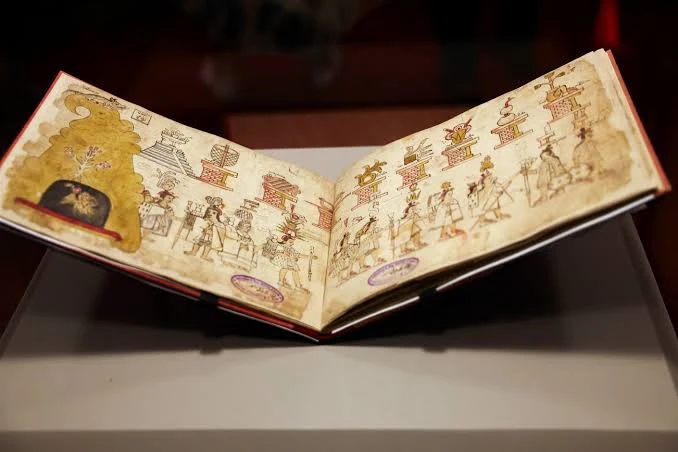
Centuries-old manuscript narrating Aztec history returns on loan to Mexico
Tap title to read story
The rare 16th-century Azcatitlan Codex has returned to Mexico on loan from France for the first time since 1840. Currently displayed at the National Museum of Anthropology in Mexico City through December, the artifact marks the celebration of 200 years of diplomatic ties between France and Mexico. On loan from the Bibliotheque Nationale where it resided since 1898, the manuscript combines Mesoamerican pictograms with European writing. It chronicles the Mexica migration from Aztlan, the founding of Tenochtitlan, the succession of Aztec rulers, and the arrival of Spanish conquistadores. Created by an Otomi craftsman, the codex serves as an essential visual record of indigenous history and identity. In exchange, Mexico is loaning the Codex Boturini to France. Experts note that such cultural exchanges elevate morale and public appreciation of Mesoamerican heritage following centuries of colonial rule initiated by Hernan Cortes in 1521.
More context
Timeline
- 1521 — On 1521 Hernan Cortes led invading Spanish forces that conquered Tenochtitlan.
- 1840 — On 1840 The Azcatitlan Codex left Mexico before returning centuries later.
- 1898 — On 1898 France's Bibliotheque Nationale assumed custody of the historic manuscript.
- On September 17 2026 The Azcatitlan Codex was publicly displayed in Mexico City.
- On December 2026 The exhibition period at the National Museum will conclude.
- On future dates Cultural authorities plan continued binational historical artifact exchanges.
- On coming months Researchers will further analyze the hybrid pictographic text.
- On subsequent years Diplomatic ties between France and Mexico will strengthen.
- On upcoming anniversaries Additional colonial-era manuscripts may be shared internationally.
- On later decades Educational programs will expand public access to codices.
Why it matters
Immediate US impact: US historians and museums monitor international cultural heritage repatriation efforts closely. Possible long-term US impact: Global institutions may increasingly facilitate temporary reciprocal historical manuscript loans. Most affected groups: Academic researchers historians and museums focused on Mesoamerican studies. Reader priority: Readers should prioritize verified reports from established cultural institutions.
Coverage notes
Left: Emphasizes indigenous heritage reclamation and critique of colonial history. Center: Reports diplomatic cooperation and museum exhibition details neutrally. Right: Focuses on international diplomatic relations and cultural asset management.
Primary report
Reuters published report about manuscript return on September 17 2026.
Sources
JQJO Editorial Desk · Human reviewed · AI assisted. Report a correction.