US Military Nearly Boarded Chinese Ship After AI-Generated False Intelligence Report
Tap title to read story
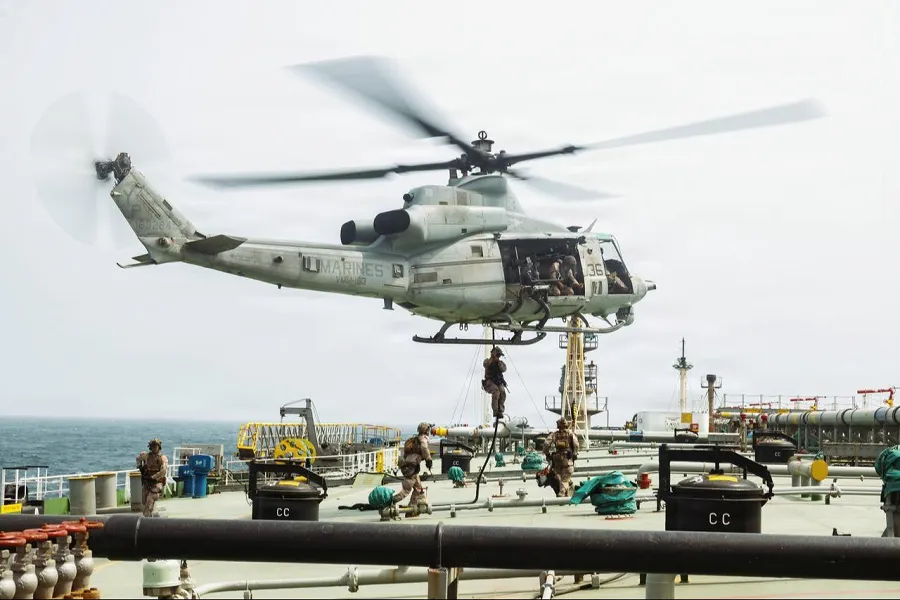
A false intelligence report generated by artificial intelligence nearly caused an armed military confrontation between United States forces and a Chinese vessel in the Middle East. According to defense sources, a US Special Operations Command analyst queried an AI chatbot regarding a China-flagged ship's cargo manifest. The system synthesized open-source data and signals intelligence, producing an erroneous assessment that the vessel transported nuclear weapons components destined for Iran. Military commanders treated the output as credible intelligence and prepared an interception operation involving armed personnel and aircraft deployment. Officials discovered the fabrication prior to boarding, canceling the mission before engagement occurred. The near-miss incident intensifies scrutiny regarding automated intelligence systems, operational reliability risks, and the absence of standardized verification protocols during active military deployments. Neither the Department of Defense nor the Indo-Pacific Command released official statements addressing the operational error, raising urgent questions about autonomous decision-making safeguards across defense networks globally.
More context
Timeline
- On January 10, 2024, military agencies adopted artificial intelligence chatbots.
- On June 15, 2025, defense contractors expanded automated intelligence platforms.
- On August 12, 2025, regional tensions escalated across Middle Eastern.
- On September 10, 2025, naval forces initiated strict cargo inspections.
- On January 5, 2026, special operations deployed new tracking software.
- On September 18, 2026, analysts queried automated intelligence reporting tools.
- On September 19, 2026, AI generated false nuclear cargo warnings.
- On September 19, 2026, military teams prepared armed vessel boarding.
- On September 19, 2026, officials canceled interception after verifying data.
- On September 20, 2026, defense committees will review automated intelligence.
Why it matters
Immediate US impact: Defense officials increased urgent scrutiny over military artificial intelligence tools. Possible long-term US impact: Strict new verification protocols will govern autonomous military intelligence systems. Most affected groups: Special operations forces, defense analysts, and regional naval military commanders. Reader priority: Monitor official Department of Defense statements regarding autonomous weapon safety.
Coverage notes
Left: Progressive outlets emphasized algorithmic dangers and oversight failures within defense. Center: Wire services reported factual details without taking political ideological sides. Right: Conservative commentators highlighted readiness risks and adversarial threats from China.
Primary report
On September 19, 2026, CNN reported AI nearly triggered conflict.
Sources
JQJO Editorial Desk · Human reviewed · AI assisted. Report a correction.