Japan's central bank raises policy rate to 31-year high
Tap title to read story
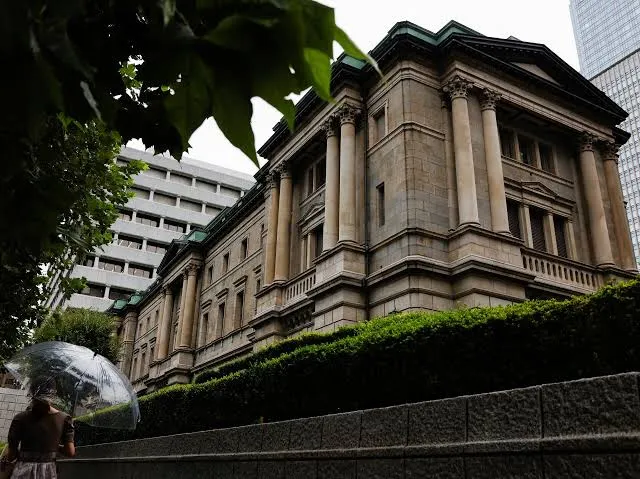
The Bank of Japan raised its benchmark interest rate by 25 basis points to 1.25 percent following a monetary policy meeting on Friday. Approved in a 7-2 split vote, the move pushes borrowing costs to their highest level since April 1995. The central bank cited ongoing efforts to normalize monetary policy, counter persistent domestic price pressures, stabilize a weakening yen, and manage external economic risks. Two board members dissented from the decision, reflecting internal debate over the pace of tightening. Although recent data showed core consumer inflation easing slightly to 1.7 percent in August, policymakers warned that surging energy costs and shifting corporate wage-setting behavior create upside risks that could push inflation above the 2 percent target. This hike marks the sixth increase since the bank abandoned its negative interest rate regime in 2024. Markets anticipate further policy adjustments as global central banks navigate synchronized economic pressures and foreign exchange volatility.
More context
Timeline
- On April 1, 1995, Japan maintained benchmark borrowing costs prior to a decades-long easing cycle.
- On March 19, 2024, the Bank of Japan exited negative interest rates after seventeen years.
- On June 12, 2024, policymakers increased the short-term policy rate to 0.25 percent amid steady normalization.
- On December 19, 2024, the central bank raised rates further to 0.50 percent to address inflation.
- On March 20, 2025, officials approved another adjustment, lifting the target rate to 0.75 percent.
- On June 18, 2025, the Bank of Japan lifted its benchmark interest rate to 1.0 percent.
- On July 31, 2026, the policy board held rates steady during its scheduled summer meeting.
- On September 18, 2026, the Bank of Japan raised rates to 1.25 percent in a 7-2 vote.
- On September 18, 2026, the Japanese yen weakened past 157 per dollar following the announcement.
- On April 1, 2027, Japan is scheduled to implement a food consumption tax reduction to one percent.
- Analysts expect the Bank of Japan to implement a seventh rate hike by early 2027.
- Economists project Japanese core inflation will approach the 3 percent threshold by early next year.
Why it matters
Immediate US impact: Narrowed interest rate differentials slightly affect dollar-yen currency trading. Possible long-term US impact: Stabilized Japanese capital markets influence broader global sovereign bond yields. Most affected groups: Japanese corporate borrowers, foreign exchange traders, and international institutional investors. Reader priority: Focus on official Bank of Japan statements and currency market analytics.
Coverage notes
Left: Emphasizes worker cost-of-living pressures and corporate wage-price dynamics. Center: Reports central bank policy mechanics, voting splits, and market data neutrally. Right: Focuses on fiscal discipline, market competitiveness, and currency stabilization measures.
Primary report
Bank of Japan announced a 25 basis point rate hike on September 18, 2026.
Sources
- The Guardian
- Toronto Star
- Le Monde
- The Independent
- Reuters
- Bloomberg
- Financial Times
- Wall Street Journal
- Associated Press
- MarketWatch
- Barron's
- Politico
- Reuters Japan
- NHK World
- Straits Times
- Bloomberg Quint
- Financial Express
- Business Standard
- Euronews
- Sky News
- The Straits Times Business
- Manila Bulletin
- Business Recorder
- Forbes
- Yomiuri Shimbun
- The Australian
- Daily Mail
- boj.or.jp
JQJO Editorial Desk · Human reviewed · AI assisted. Report a correction.