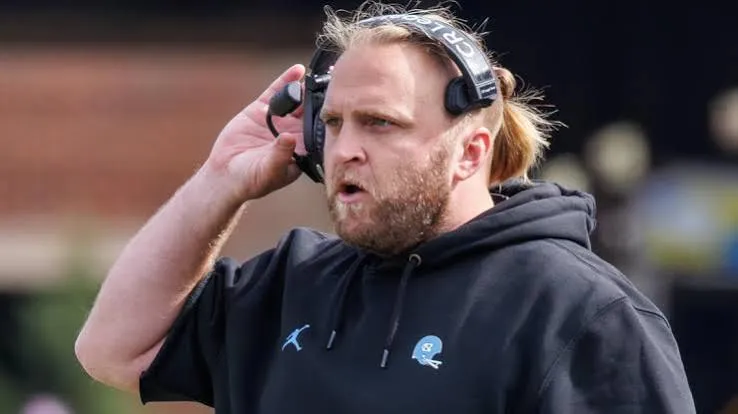
Steve Belichick resigns as North Carolina defensive coordinator following university investigation
Tap title to read story
The University of North Carolina announced the conclusion of an independent investigation into its football program culture, leading to the resignation of defensive coordinator Steve Belichick effective October 27, 2026. Belichick had been on medical leave since August 6. The probe revealed actions disregarding university standards but characterized them as isolated rather than systemic. Former general manager Michael Lombardi previously resigned on September 3 following administrative leave. Head coach Bill Belichick remains with the program, with the remaining staff assuming defensive play-calling duties. Simultaneously, freshman wide receiver Keeyun Chapman was suspended indefinitely following his arrest for carrying a concealed handgun. The university stated that the inquiry addressed internal climate issues without systemic failure, while leadership adjustments continue for the Tar Heels program amidst ongoing athletic and administrative scrutiny.
More context
Timeline
- On August 6, 2026, defensive coordinator Steve Belichick commenced an ongoing medical leave.
- On September 3, 2026, general manager Michael Lombardi resigned following an administrative leave.
- On September 17, 2026, North Carolina concluded its independent football program investigation.
- On September 17, 2026, freshman wide receiver Keeyun Chapman was suspended indefinitely.
- On October 27, 2026, Steve Belichick will officially vacate his defensive coordinator position.
- Experts expect the remaining coaching staff to manage defensive duties indefinitely.
- Analysts anticipate further program evaluations following recent staff and player departures.
- Observers project heightened scrutiny on head coach Bill Belichick moving forward.
- Stakeholders predict roster adjustments to address wide receiver depth following suspensions.
- Officials expect athletic department policies to undergo rigorous compliance reviews shortly.
Why it matters
Immediate US impact: Sparks intense media scrutiny over college football program management. Possible long-term US impact: Influences future institutional oversight and coaching staff accountability standards. Most affected groups: University of North Carolina football players, fans, and athletic administration. Reader priority: Prioritize official university statements and verified local sports journalism reports.
Coverage notes
Left: Frame institutional accountability and player misconduct with heightened regulatory concern. Center: Report administrative announcements and personnel changes with neutral factual presentation. Right: Emphasize program continuity and coaching staff resilience amid administrative departures.
Primary report
University announced investigation conclusion and defensive coordinator resignation on September 17.
Sources
JQJO Editorial Desk · Human reviewed · AI assisted. Report a correction.