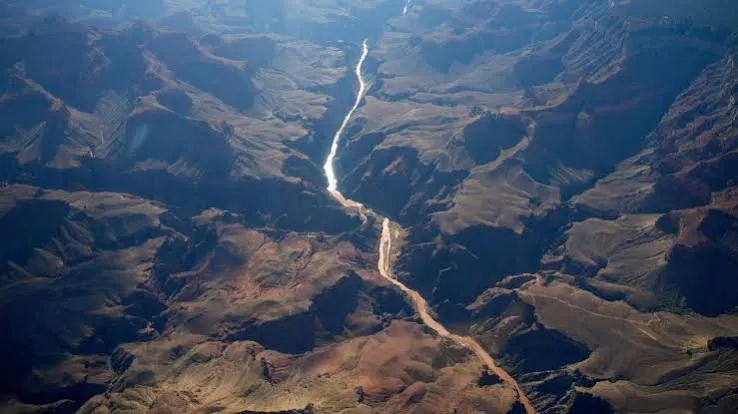
Body found in Grand Canyon was missing hiker, wife says, bringing flood death toll to 3
Tap title to read story
Human remains discovered near Crystal Rapids in the Grand Canyon have been identified as missing hiker Timothy Allen Smith, bringing the total death toll from the late August flash flood to three. Smith, a 53-year-old pilot from Wyoming, was swept away during a multiday trip alongside companions Brent Rosenkranz and John Giusti, whose remains were recovered earlier. The devastating flood struck the Phantom Ranch area on August 29, triggered by heavy monsoon rains falling over a burn scar left by a 2025 wildfire. The deluge caused extensive damage to a vital South Rim water pipeline, halting overnight lodging and prompting ongoing park advisories for hikers to carry independent water filtration systems. Over 80 people were rescued during the emergency response. Search and rescue teams utilized night vision equipment and vehicle registration logs to track missing individuals, while park officials continue infrastructure assessment and repairs across affected inner canyon corridors.
More context
Timeline
- On July 1 2025 A lightning-caused wildfire destroyed structures across the North Rim.
- On August 29 2025 Severe flash flooding devastated the Grand Canyon Phantom Ranch area.
- On August 30 2025 Emergency search operations rescued more than eighty stranded individuals.
- On September 1 2025 Search teams recovered the remains of two backcountry companions.
- On September 8 2025 Officials evaluated damage to the inner canyon water pipeline.
- On September 14 2026 Rangers discovered human remains near Crystal Rapids on Monday.
- On September 16 2026 Carrie Smith confirmed husband Timothy Smith was recovered.
- On September 17 2026 National Park Service officials assessed another flash flood event.
- On September 18 2026 Family members publicly announced the final identification of remains.
- On October 1 2026 Park authorities expect reliable water supply restoration within weeks.
Why it matters
Immediate US impact: Highlights flash flood dangers and infrastructure vulnerabilities in national parks. Possible long-term US impact: Prompts stricter weather monitoring and climate resilience planning for infrastructure. Most affected groups: National Park visitors, hiking communities, and local tourism businesses. Reader priority: Prioritize official National Park Service advisories and verified weather reports.
Coverage notes
Left: Emphasizes climate change severity and park infrastructure vulnerability risks. Center: Reports factual details regarding recovery efforts and park service updates. Right: Focuses on personal tragedy, family resilience, and local community impact.
Primary report
Associated Press published confirmation report on September 17, 2026.
Sources
- The Guardian
- Washington Post
- San Francisco Chronicle
- HuffPost
- Associated Press
- 10TV
- NBC News
- Wall Street Journal
- USA Today
- NPR
- Politico
- Reuters
- Bloomberg
- The Hill
- Time
- Newsweek
- Houston Chronicle
- Arizona Republic
- Dallas Morning News
- Seattle Times
- Miami Herald
- Chicago Tribune
- KTAR News
- Wyoming News Tribune
- Casper Star-Tribune
- Dallas News
- Fort Worth Star-Telegram
- The Oregonian
- The Seattle Times
- Las Vegas Review-Journal
- KVOA Tucson
- AZ Central
- Outside Magazine
- The Washington Times
- The Daily Caller
- The Western Journal
- Epoch Times
- Newsmax
JQJO Editorial Desk · Human reviewed · AI assisted. Report a correction.