US Warship Strike Triggers Massive Middle East Escalation
Tap title to read story
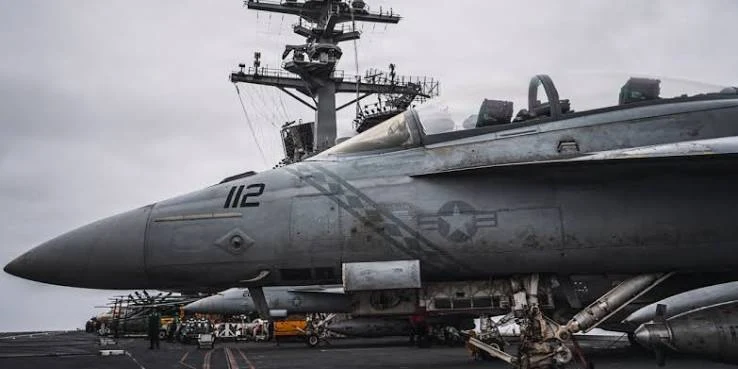
The United States military destroyed five Iranian crude oil carriers following active engagements after a U.S. Navy warship faced ballistic missile targeting in the Middle East region. United States Central Command confirmed that Iranian forces targeted the American naval vessel twice over a consecutive two-day period. The targeted warship successfully evaded incoming munitions, and no U.S. military personnel sustained injuries during the hostile encounters. Speaking from Colombia, U.S. Secretary of State Marco Rubio issued a direct public warning that future attacks on American warships will provoke immediate direct strikes against Iranian oil tankers. This dramatic escalation marks a severe intensification of regional hostilities, shifting ongoing maritime friction into open military and economic retaliation between the two nations. Global energy markets reacted swiftly to the maritime conflict, as crude oil benchmark prices surged toward the critical threshold amid mounting supply disruption fears across the vital shipping lanes of the Middle East.
More context
Timeline
- On September 10, 2026, an Iranian ballistic missile targeted a United States Navy warship twice.
- On September 11, 2026, the United States Central Command confirmed the attempted missile strikes occurred.
- On September 12, 2026, U.S. military forces destroyed five Iranian crude oil carriers in response.
- On September 13, 2026, U.S. Secretary of State Marco Rubio issued direct warnings from Colombia.
- On September 14, 2026, global crude oil prices surged toward the psychological threshold.
- Future diplomatic negotiations may establish new maritime safety protocols to prevent wider escalation.
Why it matters
Immediate US impact: Immediate energy price spikes and heightened security alerts across deployment zones. Possible long-term US impact: Sustained geopolitical instability, shipping route disruptions, and long-term energy inflation. Most affected groups: Energy consumers, shipping companies, military personnel, and global financial markets. Reader priority: Monitor official defense announcements, energy market trackers, and wire service updates.
Coverage notes
Left: Emphasizes risks of wider conflict and regional humanitarian escalation. Center: Reports official military statements and market consequences with neutral tone. Right: Highlights strong deterrence and decisive retaliation against Iranian maritime aggression.
Primary report
United States Central Command confirmed attacks and retaliatory tanker strikes.
Sources
JQJO Editorial Desk · Human reviewed · AI assisted. Report a correction.