They Built a Shrine to Cable TV. Then Everyone Cut the Cord.
Tap title to read story
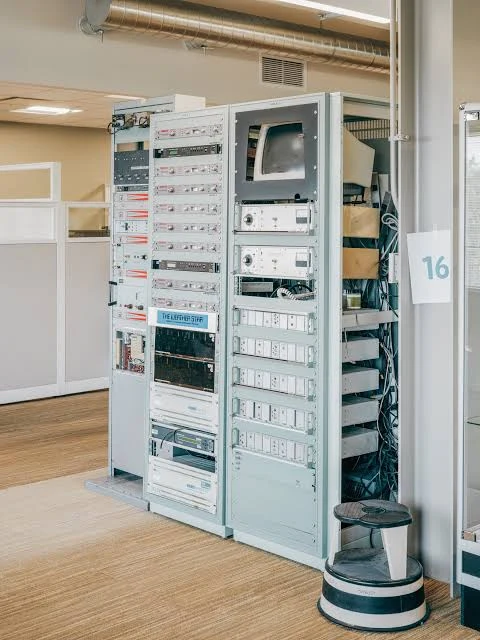
The Cable Center sold its 75,000-square-foot headquarters in Denver, Colorado, downsizing to an 8,500-square-foot office due to mounting operational costs and declining fundraising revenue. Established in the late 1990s and opened in 2002 with support from media titan John Malone and other cable industry leaders, the facility was designed as a shrine to celebrate cable television's cultural and economic dominance. The center previously housed thousands of industry artifacts, including historic network props, awards, and a three-story live television feed tower. The downsizing mirrors broader structural shifts in the American media landscape. According to Nielsen data, cable television accounted for 40 percent of U.S. viewing five years ago but has fallen to 19 percent, while streaming platforms now command nearly half of total television viewing. The institution placed its major catalog items into storage and removed historical exhibits from the sold facility.
More context
Timeline
- On January 1 1997 Industry leaders backed construction of the Denver Cable Center.
- On January 1 2002 Cable Center opened its 75,000-square-foot facility in Denver.
- On January 1 2012 U.S. cable subscriptions peaked at over 100 million households.
- On January 1 2021 Cable television accounted for 40 percent of total viewing.
- On January 1 2024 Streaming services surpassed linear TV in total daily viewing share.
- On June 1 2025 Cable Center leadership decided to sell headquarters due to costs.
- On August 1 2025 Cable Center completed sale and vacated 75,000-square-foot Denver headquarters.
- On August 15 2025 Organization moved catalog items into storage and small office space.
- On September 13 2026 Cable share of television viewing stood at 19 percent.
- Future streaming dominance will continue reducing traditional cable affiliate fee revenue.
Why it matters
Immediate US impact: Cable networks face continuing affiliate revenue declines and operational downsizing. Possible long-term US impact: Traditional linear media infrastructure will shift entirely to streaming models. Most affected groups: Cable television networks, traditional pay-TV providers, and Denver real estate. Reader priority: Distinguish structural linear TV decline from overall video content consumption.
Coverage notes
Left: Highlights corporate downsizing and loss of cultural television history artifacts. Center: Focuses on shifting consumer data, market statistics, and economic metrics. Right: Emphasizes free-market displacement of outdated business models by digital streaming.
Primary report
The New York Times reported Cable Center headquarters sale on 2025-08-24.
Sources
- The New York Times
- Washington Post
- Fast Company
- The Atlantic
- NPR
- Politico
- HuffPost
- Gizmodo
- The Wall Street Journal
- Bloomberg
- Reuters
- The Hollywood Reporter
- The Associated Press
- Forbes
- MarketWatch
- Denver Business Journal
- MediaPost
- Adweek
- AdAge
- Axios
- Quartz
- Engadget
- Puck News
- The Messenger
- Denver Business Journal Wire
- Colorado Politics
- The Washington Times
- The Daily Caller
- The Western Journal
JQJO Editorial Desk · Human reviewed · AI assisted. Report a correction.